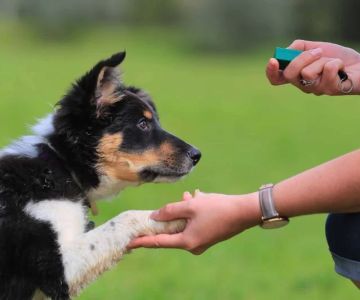
- 1 - Dog obedience training at home: where to start and what it means
- 2 - Understanding what dog obedience training means
- 3 - Laying the foundation with basic commands
- 4 - Importance of consistency and routine
- 5 - Positive reinforcement and effective techniques
- 6 - Real stories of successful at-home training
- 7 - Common challenges and how to overcome them
- 8 - When to seek professional support
- 9 - Making obedience training an enriching experience
1 - Dog obedience training at home: where to start and what it means
For many pet owners, the idea of dog obedience training at home can feel both exciting and overwhelming. In reality, obedience training is less about strict rules and more about building trust and communication between dog and owner. Knowing where to start and understanding what it truly means helps ensure training becomes a rewarding process rather than a frustrating one.

2 - Understanding what dog obedience training means
Obedience training is not about dominance—it’s about teaching your dog to understand cues and respond appropriately. It means creating a shared language that makes life easier for both of you. A well-trained dog doesn’t just sit or stay on command; they learn to adapt to your household and feel secure in routines. This foundation prevents behavioral issues and strengthens the bond you share.

3 - Laying the foundation with basic commands
The starting point of at-home training is mastering basic commands like sit, stay, come, and down. These not only improve safety but also create the groundwork for more advanced behaviors. A friend once told me how teaching her Husky “wait” saved the dog from running into traffic. Simple commands, practiced consistently, can have life-changing impacts in everyday scenarios.
4 - Importance of consistency and routine
Dogs thrive on consistency. Establishing a regular training schedule—short, daily sessions—yields better results than long, irregular efforts. Clear, consistent cues reduce confusion. Owners often underestimate how much routine influences success. If “sit” means one thing on Monday and another on Wednesday, progress slows. Staying consistent accelerates learning and reduces frustration for both owner and dog.
5 - Positive reinforcement and effective techniques
Positive reinforcement is the most effective method for at-home obedience training. Treats, praise, or favorite toys can motivate dogs to repeat desired behaviors. Instead of punishing mistakes, redirecting and rewarding correct behavior builds trust. In 2025, trainers also recommend enrichment tools—like food puzzles and interactive toys—to keep dogs engaged while reinforcing lessons. These approaches make learning enjoyable instead of stressful.
6 - Real stories of successful at-home training
Many pet owners share inspiring stories about at-home training success. A viral post in 2024 highlighted a senior rescue dog that learned to respond to hand signals after losing its hearing. Another owner described how teaching her energetic Border Collie simple impulse-control commands turned chaotic walks into peaceful outings. These stories prove that obedience training isn’t just for puppies—it works at all ages and stages.
7 - Common challenges and how to overcome them
Distractions, impatience, and miscommunication are common hurdles in at-home training. Dogs may ignore commands when excited, or owners may get frustrated by slow progress. The solution lies in breaking lessons into smaller steps and practicing in low-distraction environments before advancing. Patience is crucial—every dog learns at their own pace, and progress often comes in small, rewarding increments.
8 - When to seek professional support
Sometimes at-home efforts need reinforcement from professionals. If a dog shows aggression, severe anxiety, or unmanageable behavior, consulting trainers or veterinarians is wise. At Hidden Brook Veterinary, owners can access guidance tailored to their dog’s unique needs, ensuring training remains safe and effective. Professional support doesn’t replace at-home work—it enhances it.
9 - Making obedience training an enriching experience
Ultimately, obedience training at home is more than teaching commands—it’s about creating a deeper bond. Training sessions can double as playtime, mental exercise, and bonding moments. The journey of learning together transforms training into an enriching experience for both dog and owner. When approached with patience, empathy, and consistency, at-home training is not only achievable but also deeply rewarding.