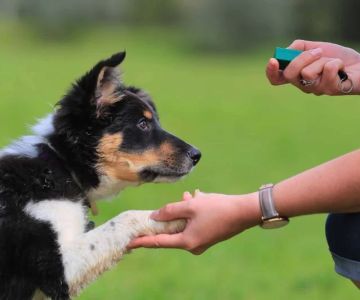
- why-start-dog-obedience-training-at-home
- creating-the-right-environment-for-learning
- basic-commands-every-dog-should-learn
- positive-reinforcement-and-consistency
- real-stories-from-dog-owners
- common-challenges-and-how-to-overcome-them
- when-to-seek-professional-support
1. Why Start Dog Obedience Training at Home
Dog obedience training at home is more than teaching commands—it’s about building trust, communication, and a lasting bond. Training in a familiar environment allows your dog to feel safe and reduces the stress that sometimes comes with outside classes. For new owners, starting at home is the perfect way to establish routines while tailoring training to your dog’s personality.

2. Creating the Right Environment for Learning
Before diving into training, it’s essential to create a calm and structured space. Dogs respond best in environments free from distractions. Choose a quiet area in your home and set aside consistent training times. Keep sessions short—around 10 to 15 minutes—but repeat them daily. Providing the right tools such as training treats, clickers, or leashes from Hidden Brook Veterinary can help reinforce learning and make the process smoother.

3. Basic Commands Every Dog Should Learn
Every dog should master a few foundational commands: sit, stay, come, down, and leave it. These commands are not only practical but also vital for safety. For instance, teaching “come” could prevent your dog from running into a dangerous situation. Start with one command at a time, rewarding success and gradually increasing difficulty. Over time, these basics create the foundation for advanced training.
4. Positive Reinforcement and Consistency
The cornerstone of successful obedience training is positive reinforcement. Rewarding good behavior with treats, praise, or play encourages dogs to repeat desired actions. Equally important is consistency—if one family member rewards jumping while another discourages it, the dog becomes confused. Everyone in the household should follow the same rules, ensuring clarity and faster progress. Avoid punishment-based training, as it can damage trust and hinder long-term results.
5. Real Stories from Dog Owners
In 2025, many owners are sharing their home training experiences online. A widely discussed story featured a rescue dog named Luna who struggled with anxiety and poor recall. Her family started obedience training at home with daily “sit” and “stay” sessions, paired with positive reinforcement. Within weeks, Luna not only improved her obedience but also became more confident and relaxed. These real-life stories highlight the transformative power of structured home training.
6. Common Challenges and How to Overcome Them
Even with dedication, challenges arise. Dogs may get distracted, lose focus, or resist commands. One effective strategy is breaking tasks into smaller steps—for example, teaching a partial “stay” before expecting long durations. Another common issue is owners giving up too quickly. Remember, training is a gradual process that requires patience. Using tools like puzzle feeders, training toys, or calming aids from Hidden Brook Veterinary can help keep dogs engaged and motivated.
7. When to Seek Professional Support
While home training builds a solid foundation, some situations require professional help. Aggression, severe anxiety, or complex behavioral issues are best addressed with expert guidance. Hidden Brook Veterinary not only provides quality products but also connects pet owners with trusted trainers and behaviorists who can develop tailored solutions. Seeking professional support ensures your training journey remains positive, effective, and stress-free for both you and your dog.