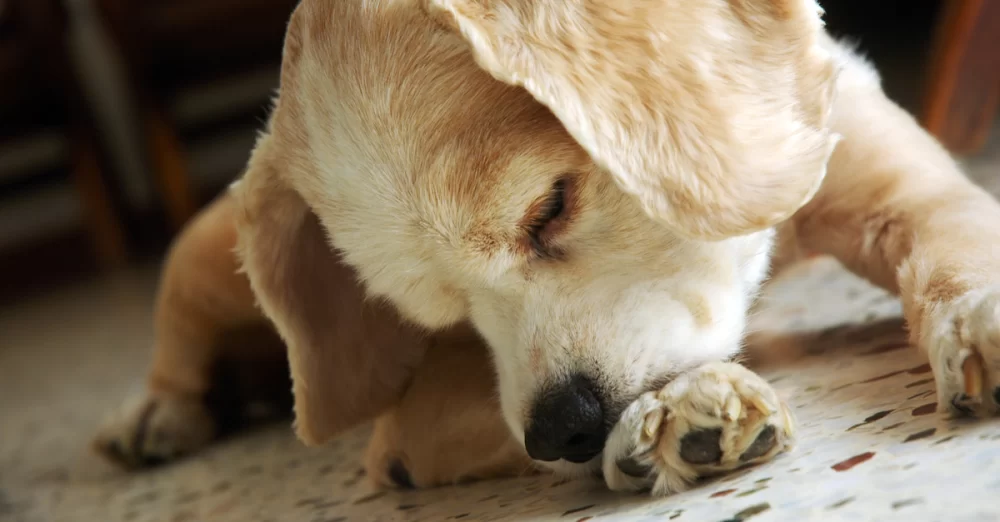
Understanding Your Dog's Excessive Paw Scratching
As a dog owner, seeing your furry friend constantly scratching its paws can be frustrating and concerning. You might wonder, "Why is my dog scratching its paws so much?" It's a common issue that many pet parents face, and it's important to understand the causes behind this behavior. Excessive paw scratching can signal a range of problems, from allergies to infections, and even anxiety. In this article, I'll walk you through the possible reasons why your dog may be scratching its paws and how to address the issue effectively.

The Many Causes of Excessive Paw Scratching
Excessive scratching at the paws is not something your dog does just to annoy you. In fact, it could be a sign that something is wrong. As a dog lover, it's crucial to identify the root cause so that you can help your pet feel better. Let's explore some common reasons why your dog might be scratching its paws:

1. Allergies: A Common Culprit
One of the most common reasons dogs scratch their paws is allergies. Just like us, dogs can develop sensitivities to certain substances, such as pollen, dust mites, or even certain foods. When your dog comes into contact with an allergen, its immune system reacts, causing itching and discomfort. If you've noticed your dog scratching its paws along with other symptoms like red, inflamed skin or watery eyes, allergies could be to blame.
2. Fleas and Ticks
Another reason your dog might be scratching its paws excessively is the presence of fleas or ticks. These tiny pests can cause significant irritation when they bite and feed on your dog's skin. Flea allergies are especially common, and they can make your dog itch uncontrollably. If your dog spends a lot of time outside, it’s worth checking its paws and coat for signs of fleas or ticks. A vet visit will help you determine the best course of action for flea control.
3. Dry or Irritated Skin
If you live in a dry climate or if your dog has been exposed to harsh weather conditions, its skin might become dry and irritated. Dry skin can lead to constant itching, and paws are often one of the first areas to show signs. The air indoors, especially during winter when heating is on, can also contribute to dry skin. Regular moisturizing and paw balms can help soothe the dryness and reduce itching.
4. Infections or Fungus
Infections, such as bacterial or fungal infections, are another common cause of paw scratching. If your dog’s paws become excessively red, swollen, or have a foul smell, an infection could be the culprit. Dogs often lick or scratch at the infected area, which can make the situation worse. Fungal infections like yeast infections are particularly common between the toes. A trip to the vet is necessary to diagnose the infection and prescribe the appropriate treatment.
5. Anxiety or Stress
Believe it or not, your dog’s excessive paw scratching might not have anything to do with physical health. Anxiety and stress can manifest in various ways in dogs, including compulsive behaviors like scratching or licking. If your dog is going through a stressful period, such as moving to a new home, changes in routine, or separation anxiety, you might notice increased scratching. This behavior is often a coping mechanism. Training and behavioral support can help alleviate this issue.
How to Help Your Dog with Excessive Paw Scratching
Now that we’ve covered some of the potential reasons behind excessive paw scratching, let’s talk about how to help your dog. Here are some effective solutions to tackle the issue:
1. Consult Your Veterinarian
If your dog is scratching its paws excessively, it’s always a good idea to visit your vet. A professional can help identify the underlying cause, whether it's allergies, fleas, or an infection. Your vet may recommend allergy tests, medications, or changes to your dog’s diet to help alleviate the itching.
2. Regular Grooming and Paw Care
Maintaining proper grooming is essential in preventing paw issues. Regularly trim your dog’s nails to prevent them from causing irritation or injury. Wash your dog’s paws after outdoor walks to remove dirt, allergens, or chemicals that might be causing irritation. You can also apply paw balms or moisturizers designed specifically for dogs to keep their paws soft and hydrated.
3. Flea and Tick Prevention
Make sure to keep your dog on a regular flea and tick prevention regimen. There are many products available, including topical treatments, oral medications, and collars. Keeping fleas and ticks at bay can prevent the itching and discomfort they cause. Talk to your vet about the best prevention plan for your dog based on their lifestyle and environment.
4. Treating Infections
If your dog has an infection, your vet may prescribe antibiotics or antifungal treatments. It’s important to follow the vet’s instructions carefully to ensure the infection is fully treated. You may also need to adjust your dog’s routine to help prevent further issues, such as avoiding wet environments that can promote fungal growth.
5. Manage Stress and Anxiety
If anxiety is the root cause of your dog’s scratching, try to reduce stress by providing a calm and predictable environment. Make sure your dog has a safe space to relax and plenty of physical exercise to reduce anxiety. You might also consider consulting with a dog trainer or behaviorist to help your dog manage stress in healthy ways.
Conclusion
Excessive scratching at the paws is a common issue that can stem from various causes, including allergies, infections, and even stress. By observing your dog's behavior closely and seeking veterinary care when necessary, you can address the root cause of the itching and provide relief for your pup. With proper treatment, your dog will feel more comfortable and happy once again, and you can both enjoy a scratch-free life!