Understanding the Causes of Excessive Paw Licking in Dogs
If you've ever noticed your dog spending hours licking its paws, you may have wondered what could be causing this behavior. As a dog owner, it can be concerning to see your furry friend engage in repetitive actions that seem abnormal. I, too, have dealt with this issue firsthand, and after seeking advice from experts, I learned that excessive paw licking is often more than just a quirky habit. It can indicate an underlying health issue, discomfort, or behavioral concern that needs to be addressed.
1. Allergies: A Common Culprit
Allergies are one of the most frequent causes of excessive paw licking in dogs. Just like humans, dogs can have allergic reactions to various environmental factors such as pollen, grass, dust mites, and even certain foods. In fact, I remember when my dog, Max, started licking his paws incessantly. After several visits to the vet, we discovered that he was allergic to certain types of grass in our yard. His constant licking was his way of trying to relieve the itching caused by these allergens.
If your dog is licking its paws after walking outside or in certain areas, allergies could be the reason. Pay attention to any patterns in behavior, and if the licking persists, it's worth discussing with your vet. They might recommend allergy tests or antihistamines to help alleviate the symptoms.

2. Fleas and Other Parasites
Fleas and other parasites like ticks or mites can also cause intense itching and irritation. When your dog is constantly scratching and licking its paws, it could be trying to soothe the discomfort caused by flea bites. I had a similar experience with my dog Bella, who developed a flea infestation during the summer months. The excessive paw licking was a sign that she was struggling with the itchiness, and once the fleas were eliminated, her behavior returned to normal.
If you suspect fleas or other parasites might be the issue, inspect your dog's fur closely for any signs of these pests. A flea treatment recommended by your vet can be highly effective in resolving the issue.
3. Dry or Irritated Skin
Dry or irritated skin can also lead to paw licking. This is especially common in the colder months when the air is dry, and indoor heating can cause your dog's skin to become flaky and cracked. I once noticed that my dog Charlie started licking his paws more frequently during winter. After a quick trip to the vet, we found that the dry air was causing his skin to become irritated. Using a moisturizing pet-safe paw balm and ensuring he stayed hydrated helped to resolve the issue.
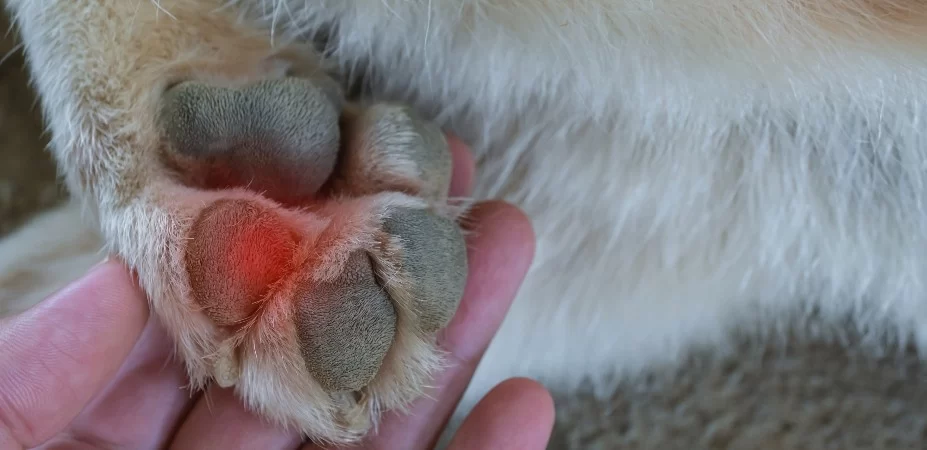
Keep an eye out for signs of dry skin such as redness, flakiness, or cracks in the skin. If your dog is licking because of dryness, it might be time to consider using a moisturizing treatment or adding a humidifier to your home.
4. Infections: Yeast or Bacterial Infections
Sometimes, excessive licking of the paws can indicate an infection. Yeast infections, in particular, are common in dogs with floppy ears or those prone to damp environments. These infections can cause intense itching and discomfort, prompting your dog to lick its paws in an attempt to soothe the irritation. I once had to deal with a bacterial infection on my dog’s paw, which was causing him to lick the area non-stop. The vet prescribed an antibiotic ointment, and after a week of treatment, the infection was cleared up, and the licking stopped.
If you notice any unusual redness, swelling, or odor coming from your dog's paws, it could be a sign of an infection, and a vet visit is necessary for proper diagnosis and treatment.
5. Anxiety or Stress-Related Behavior
Not all paw licking is related to physical discomfort. In some cases, dogs lick their paws as a coping mechanism for anxiety or stress. I’ve seen this behavior in my own dog, Daisy, who started licking her paws when there was a change in our routine. Moving to a new house or changes in the household can trigger anxiety in some dogs. The licking serves as a self-soothing behavior that helps calm them down.
If your dog’s excessive licking seems to correlate with stressful situations, try to minimize stressors in your dog’s environment and introduce calming activities such as regular walks, puzzle toys, or anxiety-reducing products like calming sprays or CBD oils.
6. Overgrooming and Behavioral Issues
Overgrooming can sometimes become a behavioral issue, especially if your dog has learned that licking its paws provides comfort or attention. This was the case with my dog, Rufus, who had developed a habit of licking his paws every time he wanted attention. Although it wasn’t related to any medical condition, this habit became excessive and annoying. Through consistent training and redirection, I was able to help him break the cycle and focus on more positive behaviors.
Overgrooming often requires patience and consistency. If your dog’s behavior doesn’t seem to be linked to a medical issue, behavioral training may be the key to resolving the problem.
7. How to Stop Excessive Paw Licking
Once you've identified the underlying cause of your dog's excessive paw licking, there are several ways to address the issue. Here are some of the most effective strategies:
- Consult your vet for a proper diagnosis and treatment plan.
- Use allergy medications or topical treatments as recommended by your vet.
- Apply flea and parasite prevention treatments to eliminate pests.
- Moisturize your dog's paws to prevent dry skin.
- Implement stress-reduction techniques and provide a calming environment for your dog.
- Consider behavioral training to redirect excessive licking.
Addressing the root cause of the licking will not only help stop the behavior but will also improve your dog’s overall health and well-being. As with any health-related issue, early detection and treatment are key to ensuring that your dog stays happy and comfortable.
8. When to Seek Professional Help
If your dog's excessive paw licking persists despite your best efforts, it's important to seek professional help. Your vet may refer you to a canine behaviorist or dermatologist who can provide more specialized treatment options. Don't hesitate to reach out for support to ensure your dog gets the care it needs.