Understanding Excessive Drooling in Dogs
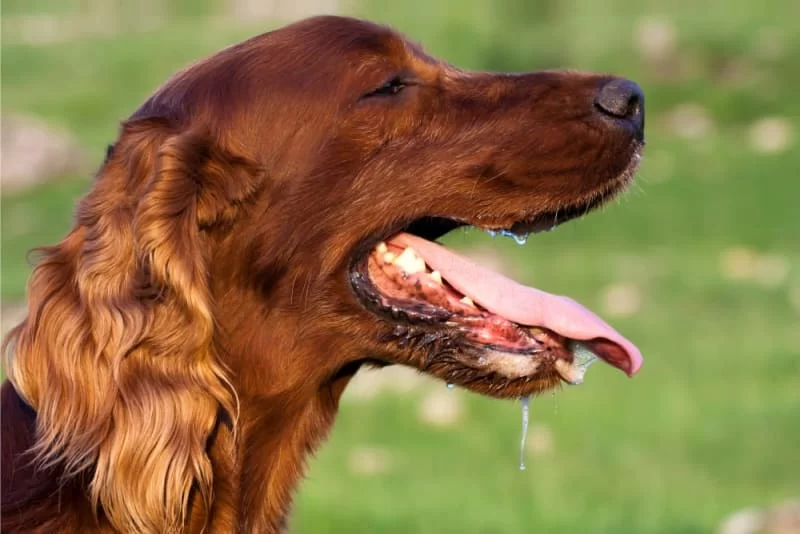
As a dog owner, one of the more concerning behaviors you might notice in your furry friend is excessive drooling. At first, it may seem like just a minor inconvenience, but it can sometimes be an indicator of a larger health issue. Drooling in dogs is actually quite common, but when it becomes excessive, it’s important to understand what might be causing it. In this article, we’ll explore the various reasons behind excessive drooling in dogs and how you can address it.

Why Do Dogs Drool in the First Place?
Before diving into the causes of excessive drooling, it’s important to understand why dogs drool in the first place. Drooling is a natural process for dogs. They produce saliva to help with digestion, to keep their mouths moist, and to help them cool down. However, while drooling is a normal function, excessive drooling might be a sign that something is wrong. For instance, drooling can sometimes occur when a dog is excited, hungry, or anticipating food. But when drooling seems unusual or excessive, it’s worth taking a closer look at the underlying reasons.

Common Reasons for Excessive Drooling in Dogs
1. Dental Issues
One of the most common causes of excessive drooling in dogs is dental problems. Dogs can suffer from various dental issues such as tooth decay, gum disease, or even a broken tooth. When a dog experiences discomfort or pain in its mouth, it may drool more than usual. In fact, if you notice your dog drooling excessively and also showing signs of pawing at their mouth or reluctance to eat, it’s a good idea to check for dental issues. Regular dental check-ups and brushing your dog’s teeth can help prevent these problems.
2. Nausea or Digestive Problems
Excessive drooling can also be a sign of nausea or an upset stomach in dogs. Just like humans, dogs can experience gastrointestinal discomfort, which can lead to drooling. If your dog seems lethargic, is vomiting, or has a decreased appetite along with drooling, it could be a sign of nausea. More serious conditions like pancreatitis or liver disease can also cause drooling. If your dog is showing other symptoms along with drooling, it’s essential to consult a vet for a thorough diagnosis.
3. Poisoning or Toxin Exposure
Unfortunately, dogs can be prone to poisoning, whether from eating something harmful or exposure to toxic substances. Many household items, such as chocolate, certain plants, and cleaning products, are toxic to dogs. When a dog ingests something toxic, excessive drooling is a common symptom. If you suspect your dog may have eaten something dangerous, don’t wait. Contact your vet immediately. The quicker you act, the better the chances of a full recovery.
4. Anxiety and Stress
Just like people, dogs can experience stress and anxiety, which can result in physical symptoms like drooling. Situations like thunderstorms, fireworks, or being left alone for extended periods can trigger anxiety in dogs. If your dog’s drooling is accompanied by other signs of distress, such as shaking, pacing, or vocalizing, it might be related to anxiety. In these cases, working with a vet or a professional dog trainer may help to manage the stress and anxiety levels in your dog.
5. Heatstroke and Overheating
Dogs don’t sweat like humans do; they primarily cool themselves through panting. However, if a dog becomes overheated, they may start drooling excessively. Heatstroke is a serious condition that can quickly become life-threatening. If your dog has been in the sun for a long time, showing signs of drooling, panting heavily, or acting lethargic, take immediate steps to cool them down and seek veterinary attention as soon as possible.
6. Foreign Objects or Obstructions
If your dog has something stuck in their mouth or throat, such as a foreign object or a piece of food, it can cause excessive drooling. The dog’s body will naturally try to remove the obstruction by producing more saliva. In such cases, you may also notice your dog trying to paw at their mouth or making gagging noises. If you suspect that your dog has something stuck in their throat or mouth, a vet visit is required to remove the object safely.
When to See a Vet About Excessive Drooling
While drooling is normal to some extent, if it becomes excessive or is accompanied by other concerning symptoms, it’s important to consult a veterinarian. Some signs that require immediate veterinary attention include:
- Drooling that lasts for several hours or days.
- Drooling accompanied by vomiting, diarrhea, or changes in appetite.
- Excessive panting or signs of discomfort or pain.
- Behavioral changes such as lethargy or confusion.
If your dog’s excessive drooling is persistent, don’t hesitate to seek professional help. Early intervention can make all the difference in treating underlying health issues and ensuring your dog remains healthy and happy.
Conclusion
Excessive drooling in dogs can be concerning, but understanding the various causes can help you address the issue effectively. Whether it’s due to dental problems, nausea, anxiety, or even poisoning, identifying the cause is the first step to finding the right solution. Always pay attention to other signs and symptoms your dog may be displaying, and don’t hesitate to reach out to your vet for advice. With proper care and attention, you can ensure your dog’s health and comfort.