Understanding Dog Anxiety During Thunderstorms
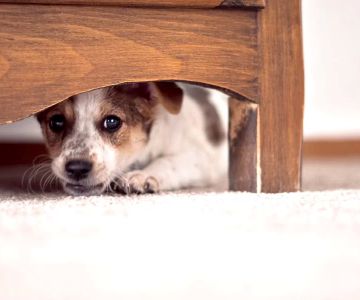
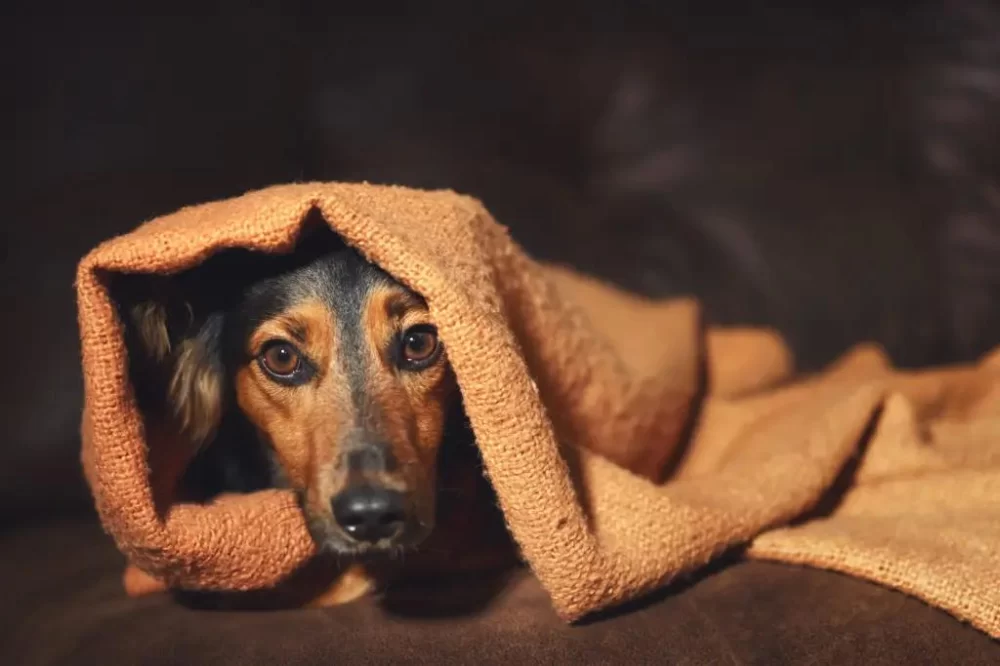
If you're a dog owner, you might have noticed how thunderstorms can cause severe anxiety in some dogs. My own dog, Max, has always been terrified of storms. I remember the first time I saw him react to a thunderstorm—his usual calm demeanor completely changed. He started shaking uncontrollably, hiding under the furniture, and barking non-stop. I was heartbroken to see him so distressed, and it was clear that he needed help. After some research and consultations with veterinarians, I discovered that anxiety during thunderstorms is a common issue for many dogs, but there are effective ways to help them cope.

7038 FL-54, New Port Richey, FL 34653, USA
See DetailsWhy Do Dogs Experience Anxiety During Storms?
Thunderstorm anxiety in dogs can be triggered by a variety of factors. The loud noises, flashing lights, and changes in air pressure can overwhelm your pet’s senses. Dogs have much more sensitive hearing than humans, so the sound of thunder can be far more frightening for them. For Max, it wasn’t just the noise—it was also the lightning and the way it lit up the entire house. Some dogs may also associate storms with past traumatic experiences, making the anxiety even worse.
Another factor that contributes to storm anxiety is the change in the environment. Pets are highly attuned to their surroundings, and the rapid shifts during a storm can make them feel insecure and anxious. Understanding the cause of your dog's anxiety is the first step in finding the right solution to help them feel calm and safe.

Effective Remedies for Dog Anxiety During Thunderstorms
Over time, I tried several remedies for Max’s anxiety during storms, and while not all of them worked, I did find a few that made a real difference. Here are some of the most effective remedies that helped Max—and could help your dog too.
1. Create a Safe Space
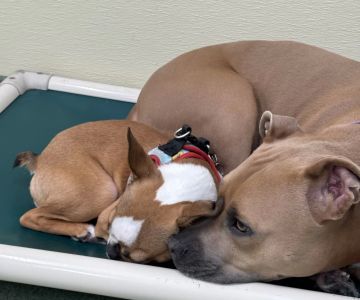
One of the first things I did was create a "safe space" for Max. During storms, dogs often seek out small, quiet spaces where they feel secure. I set up a cozy corner in our living room, complete with Max’s favorite blanket and a few of his toys. I also made sure to dim the lights to reduce the intensity of the storm’s flashes. When the storm hit, I guided Max to his safe space, and he seemed to feel more at ease. Providing a designated area where your dog can retreat during storms is one of the simplest and most effective solutions.
2. Calming Dog Apparel
Another technique that helped Max was using calming dog apparel. I had heard about thunder jackets, which are special vests designed to apply gentle, even pressure to a dog’s body, helping them feel secure. The idea is similar to swaddling a baby. I decided to give it a try, and it made a huge difference. Max seemed much calmer, and he wasn’t as jittery during storms. The calming effect of these jackets is backed by research, and many pet owners swear by them. I highly recommend trying one if your dog is anxious during storms.
3. Natural Supplements and Herbal Remedies
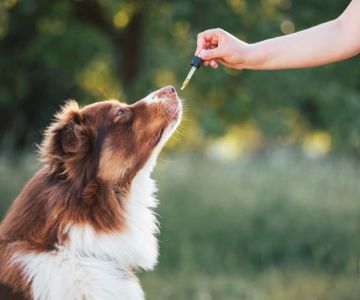
If you’re looking for natural remedies to help calm your dog during thunderstorms, there are several options that may work. I found that herbal supplements like chamomile, valerian root, and passionflower helped Max relax during storms. These herbs are known for their calming properties, and they’re available in various forms, including treats, pills, and tinctures. Before starting any supplement regimen, it’s always best to consult with your vet to ensure they’re safe for your dog’s specific health needs.
4. Desensitization and Training
Over time, I also worked on desensitizing Max to the sound of thunder. The idea behind this method is to gradually expose your dog to storm-related sounds in a controlled way, helping them become less sensitive to the noise. I started by playing recordings of thunderstorms at a low volume while Max was engaged in positive activities like playtime or eating treats. Over several weeks, I increased the volume of the recordings gradually. This technique took patience, but it helped Max build tolerance to the storm sounds. It’s important to do this gradually and not to force your dog into situations where they feel overwhelmed.
5. Use of Pheromone Diffusers
Max also benefited from pheromone diffusers, which release calming scents that mimic the natural pheromones that dogs release when they feel safe and secure. These diffusers helped Max relax and feel more at ease during storms. I plugged one into the wall in the room where Max spent most of his time during storms, and I noticed that it had a calming effect. There are also pheromone sprays and collars available, which might be useful if your dog moves around the house during a storm.
6. White Noise or Music
One remedy that worked wonders for Max was playing calming music or white noise during thunderstorms. The idea is to mask the sounds of the storm with something soothing. There are special soundtracks designed to calm pets, which include gentle music or nature sounds. I found that playing these sounds helped to distract Max from the thunder and made the storm seem less intense. You can also use a white noise machine to create a steady, calming sound in the background.
Preventing Future Anxiety: Consistency is Key
After trying these remedies for Max, I realized that consistency was the key. Dogs with anxiety need a routine to feel secure, especially during storms. I made sure to use a combination of these methods during every storm, and over time, Max became much more resilient. While he’s still not a huge fan of thunderstorms, he no longer reacts with panic. I also make sure to reward Max for calm behavior, reinforcing positive reactions to storms.
What I Learned from Max's Experience
Max’s journey with thunderstorm anxiety taught me that there’s no one-size-fits-all solution. Each dog is unique, and it’s important to experiment with different remedies to see what works best for your pet. With the right combination of techniques, it’s possible to reduce your dog’s anxiety and make thunderstorms a less stressful experience for both of you. If your dog continues to struggle with severe anxiety, it’s always a good idea to consult with a veterinarian or a professional dog trainer who specializes in anxiety management.
By using a mix of safe spaces, calming apparel, natural remedies, and training, you can help your dog feel more secure and relaxed during thunderstorms. Storms may always be a little scary for Max, but thanks to these remedies, he now has the tools to cope, and so do I.