
Does a Veterinarian Have to Do Surgery? Understanding When Surgery Is Necessary for Your Pet
- 1 - Introduction to Veterinary Surgery
- 2 - When Is Surgery Recommended for Your Pet?
- 3 - Common Surgical Procedures for Pets
- 4 - Alternative Treatments to Surgery
- 5 - How to Prepare Your Pet for Surgery
- 6 - Post-Surgery Care and Recovery for Your Pet
1. Introduction to Veterinary Surgery
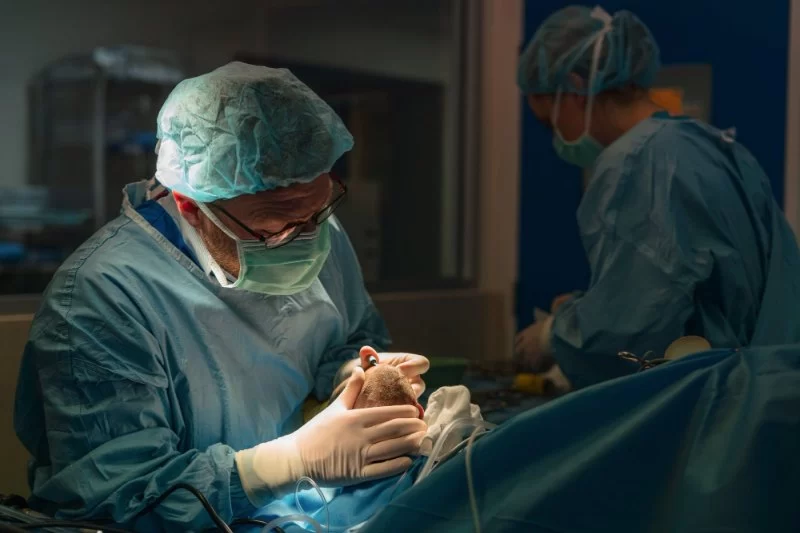
As pet owners, we often wonder if surgery is necessary for our pets when they’re facing health problems. The simple answer is that not all issues require surgery, but in some cases, surgery is the best option to improve your pet’s quality of life. Veterinary surgery can range from simple procedures like spaying or neutering to more complex surgeries involving the heart, joints, or organs.
Understanding when a veterinarian recommends surgery and what the process entails can help you make informed decisions about your pet's care. This article will delve into the types of surgeries your pet might need, the risks involved, and how to prepare both you and your pet for a smooth recovery.

2. When Is Surgery Recommended for Your Pet?
Surgery is typically recommended when other treatment options, such as medication or lifestyle changes, aren’t effective. Some conditions that may require surgery include:
1. Injury or Trauma
If your pet has been involved in an accident or experienced trauma, surgery may be necessary to repair broken bones, torn ligaments, or damaged internal organs. Prompt intervention is crucial to avoid long-term complications.
2. Tumors or Growths
When tumors or growths are discovered, they may need to be surgically removed, especially if they’re malignant or growing rapidly. Early detection and surgical removal can often improve your pet’s prognosis significantly.
3. Digestive or Urinary Problems
Some digestive or urinary issues, such as blockages, tumors, or malformations, may require surgery to correct. These conditions can be life-threatening if left untreated, making surgery the best course of action.
4. Orthopedic Issues
Pets suffering from joint or bone problems, like hip dysplasia or torn ligaments, may require surgical intervention to alleviate pain and restore function. In some cases, joint replacement or corrective surgery may be needed for long-term relief.
3. Common Surgical Procedures for Pets
Veterinary surgery encompasses a variety of procedures, ranging from routine to complex. Here are some common surgeries performed on pets:
1. Spaying and Neutering
Spaying (female) and neutering (male) are among the most common procedures. These surgeries are often performed at an early age to prevent unwanted pregnancies and reduce the risk of certain health problems like cancers of the reproductive organs.
2. Dental Surgery
Dental issues, including tooth extractions and treatment for gum disease, are common in pets, especially as they age. Veterinary dental surgery is important for maintaining oral health and preventing more severe issues like infections or abscesses.
3. Soft Tissue Surgery
Soft tissue surgery includes procedures to remove tumors, treat internal injuries, or fix organ issues. This category includes surgeries such as spaying, neutering, and abdominal surgeries.
4. Orthopedic Surgery
Orthopedic surgery includes procedures such as repairing fractures, treating joint diseases like hip dysplasia, or correcting deformities in bones and joints. This type of surgery is often necessary to restore mobility and reduce pain.
4. Alternative Treatments to Surgery
While surgery is sometimes the best option, there are several alternative treatments that may help your pet, depending on the issue. Some options include:
1. Medication
For some conditions, medication may be sufficient to manage symptoms or even cure the problem. For example, anti-inflammatory drugs may help with arthritis pain, while antibiotics can treat infections.
2. Physical Therapy
Physical therapy, including exercises and hydrotherapy, can help pets recover from injuries or surgeries. It can also be used to manage chronic conditions like arthritis without resorting to surgery.
3. Lifestyle Changes
In some cases, dietary changes or changes in your pet's daily routine can alleviate symptoms of certain health problems. Weight management, for instance, can reduce stress on joints and help prevent the need for surgery in cases of arthritis or hip dysplasia.
5. How to Prepare Your Pet for Surgery
Proper preparation before surgery can help ensure a smooth process for both you and your pet. Here’s how you can get ready:
1. Follow Pre-Surgery Instructions
Your veterinarian will provide instructions for how to prepare your pet, including fasting or withholding food and water for a specific period before the surgery. Following these instructions is critical to avoid complications during the procedure.
2. Keep Your Pet Calm
Before the surgery, try to keep your pet calm and stress-free. Provide a quiet space, avoid sudden changes in routine, and be there for comfort and reassurance. If your pet is anxious, talk to your veterinarian about calming medications or other options.
3. Arrange for Post-Surgery Care
Prepare your home for post-surgery recovery. Set up a quiet, comfortable space for your pet to rest and ensure you have the necessary supplies, such as medications, bandages, and food. You might also need to restrict your pet's activity for a period to allow healing.
6. Post-Surgery Care and Recovery for Your Pet
After your pet undergoes surgery, proper care is essential to ensure a full recovery. Here are some key things to keep in mind during the healing process:
1. Follow-Up Appointments
Ensure you attend any follow-up appointments with your veterinarian. These appointments are important for monitoring your pet’s healing progress and addressing any complications that may arise.
2. Monitor for Signs of Infection
Watch for signs of infection, such as redness, swelling, or discharge from the incision site. If you notice any unusual symptoms, contact your veterinarian immediately.
3. Limit Activity
Keep your pet’s physical activity to a minimum during the recovery period. Restricting movement helps prevent strain on the surgery site and promotes faster healing.
For expert advice on your pet's surgery or recovery process, visit Hidden Brook Veterinary for professional guidance and recommendations tailored to your pet’s needs.








