
- 1-Does-Being-a-Veterinarian-Require-Moving
- 2-Factors-Influencing-Veterinarian-Relocation
- 3-Real-Stories-of-Veterinarian-Moves
- 4-Balancing-Career-and-Location-Preferences
- 5-Tips-for-Managing-a-Move-for-Veterinary-Careers
1. Does Being a Veterinarian Require Moving?
A common question among aspiring vets is: do you have to move to be a veterinarian? The answer isn’t a simple yes or no. While veterinary medicine is a highly specialized profession with opportunities worldwide, whether you need to relocate depends on your career goals, specialization, and geographic preferences.
Many veterinarians begin their careers where they studied or in their hometowns. However, certain positions, especially in specialized fields or rural areas, may require moving to where the demand is highest. For example, large animal vets often work in farming communities, which may be far from urban centers.
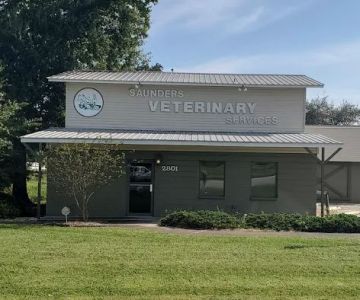
1.1 Urban vs. Rural Veterinary Practices
Urban vets often have access to larger clinics and specialty hospitals but may face more competition. Rural vets might find more opportunities but often need to relocate to smaller towns or farming regions. Understanding this dynamic helps when considering if a move is necessary.

2. Factors Influencing Veterinarian Relocation
Several factors influence whether veterinarians decide to move, including:
- Job Availability: Some regions have a higher demand for veterinarians, prompting relocation.
- Specialization Needs: Advanced specialties like oncology or surgery often require vets to move to specialized clinics or teaching hospitals.
- Quality of Life Preferences: Personal lifestyle choices such as climate, community, and schooling can impact relocation decisions.
- Family Considerations: Proximity to family or spouse employment opportunities play important roles.
3. Real Stories of Veterinarian Moves
Take Dr. Lisa, who moved from a busy city to a rural community to serve as the only large animal vet within a 50-mile radius. Her decision to relocate was driven by both passion and opportunity, highlighting how veterinary careers can intertwine with personal growth.
Conversely, Dr. Mark chose to stay in his hometown, building a small animal practice with advanced services, showing that moving isn’t always necessary.
3.1 Balancing Career Goals and Personal Life
These examples reflect how veterinarians weigh career advancement against lifestyle, proving that “do you have to move to be a veterinarian” varies individually.
4. Balancing Career and Location Preferences
For vets concerned about relocation, technology and telemedicine are gradually increasing options to work remotely or consult across regions. This trend offers more flexibility but doesn’t replace the need for some on-site presence, especially in surgical or emergency cases.
Career planning should include an honest assessment of location preferences and willingness to move if required. Networking with mentors and local veterinary associations can provide insights and opportunities aligned with personal goals.
5. Tips for Managing a Move for Veterinary Careers
If relocation becomes necessary, planning ahead is crucial. Consider the following tips:
- Research potential new locations thoroughly regarding job market and living conditions.
- Connect with local veterinary communities before moving to ease transition.
- Prepare financially for moving expenses and temporary housing.
- Keep communication open with family and support networks.
For those exploring veterinary career opportunities and seeking trusted guidance, platforms like Fred Miller Lawyer offer resources and professional advice tailored to your journey.
Understanding “do you have to move to be a veterinarian” is about knowing your options and making choices that fit your unique career path and lifestyle desires. With thoughtful planning, the right veterinary career can flourish wherever you choose to be.








