
- 1 - Understanding small dogs' health challenges
- 2 - Veterinary care: small dogs vs large breeds
- 3 - Real stories: why size matters in veterinary treatment
- 4 - Key health risks and preventive care for small dogs
- 5 - Choosing the right veterinary service for your small dog
- 6 - Act now: give your small dog the care it needs
Do Small Dogs Require Special Veterinary Care? A Deep Dive into Their Unique Health Needs
1. Understanding small dogs' health challenges
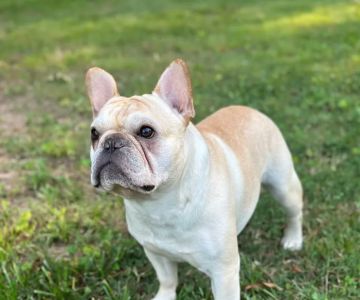
When asking the question do small dogs require special veterinary care, it’s crucial to understand that size significantly impacts health outcomes. Small dogs, especially toy breeds like Chihuahuas, Yorkies, and Pomeranians, face different biological and metabolic challenges than their larger counterparts.
1.1 Metabolic rate and size
Small dogs burn calories faster and often need higher-quality food in smaller portions. Their tiny organs and bones are more sensitive to fluctuations in diet, hydration, and medication dosage, which means even minor health changes require prompt attention.

959 West Ave #12, Miami Beach, FL 33139, USA
See Details1.2 Sensitivity to temperature and stress
Due to their body mass, small dogs are more sensitive to temperature drops, anxiety, and environmental changes. Vets often recommend seasonal health plans and stress management strategies specific to these breeds.
2. Veterinary care: small dogs vs large breeds
While all dogs need routine checkups, veterinary care for small dogs often involves more nuanced procedures. What might be a minor issue for a Labrador could be life-threatening for a 5-pound Yorkie.
2.1 Diagnostic precision
With their smaller anatomy, accurate diagnostics—like high-resolution imaging and bloodwork calibrated for small dogs—are vital. Incorrect medication dosages or overlooked symptoms can lead to serious complications quickly.
2.2 Surgical and dental needs
Surgeries on small dogs require more experienced hands. Even dental procedures must account for fragile jaws and compact skulls, increasing the need for specialists who focus on toy breed medical needs.
3. Real stories: why size matters in veterinary treatment
Consider Coco, a 3-pound teacup poodle who suffered a fractured leg from a minor fall off the couch. Standard veterinary tools couldn’t handle her case. Only after visiting a vet clinic with miniature orthopedic tools did she get the surgery she needed.
3.1 Max the Maltese’s allergy episode
Max was rushed to the clinic after reacting to a bee sting. His throat swelled within minutes—a faster response than seen in most large breeds. The vet administered an epinephrine dose calibrated to his exact weight, saving his life.
3.2 Lessons learned
These examples underline that asking do small dogs require special veterinary care isn’t hypothetical. In many cases, size can be a decisive factor in survival and recovery.
4. Key health risks and preventive care for small dogs
Pet owners need to understand the unique risks associated with small dog health. Proactive veterinary planning can significantly extend their lifespan and well-being.
4.1 Hypoglycemia and organ stress
Toy breeds are prone to blood sugar drops. Missing a single meal can cause lethargy or seizures. Vets often recommend multiple small meals per day and regular glucose monitoring.
4.2 Dental decay
Small dogs tend to have overcrowded teeth, leading to plaque build-up and gum disease. Specialized dental cleanings should start as early as age two, with home brushing routines introduced even earlier.
4.3 Tracheal collapse and heart disease
Coughing and breathing issues in small breeds often stem from tracheal collapse. An early diagnosis and tailored treatment—like weight management and specialized collars—can make a life-saving difference.
5. Choosing the right veterinary service for your small dog
Not every vet is equipped for small dogs. When choosing a clinic, pet owners should look for certain indicators of excellence in small dog veterinary care.
5.1 Experience with toy breeds
Ask if the staff has experience with dogs under 10 pounds. Clinics that frequently see these breeds are more likely to offer precise and compassionate care.
5.2 Equipment and medication dosing
Look for facilities with scaled-down surgical tools and medication systems that can dose accurately for animals as small as 2–3 pounds.
5.3 Emergency response capabilities
Emergency services that understand the fragility of small dogs are essential. Rapid response and breed-specific knowledge can mean the difference between life and loss.
6. Act now: give your small dog the care it needs
So, do small dogs require special veterinary care? Absolutely. Their needs aren’t just scaled-down versions of big dogs—they're fundamentally different. From diagnostic accuracy to emotional sensitivity, small breeds require a level of attention that only qualified and compassionate clinics can provide.
Don’t wait for a crisis. Give your small dog the specialized veterinary care it deserves today. Contact a trusted clinic in your area to schedule a comprehensive wellness plan built specifically for your little companion’s unique needs.








