
1. Introduction: The Path to Becoming a Veterinarian
As animal lovers, many people are drawn to the idea of becoming a veterinarian, a career that allows them to help animals in a meaningful way. The question that often arises is: "Do I need to be a veterinarian?" While the answer is clear for those looking to provide direct animal care, there are several aspects of the veterinary profession worth considering before making that decision.
In this article, we’ll explore the journey to becoming a veterinarian, the educational and professional requirements, and how you can navigate your career path in veterinary medicine. Whether you’ve been dreaming of working with animals from a young age or are considering a career change, understanding the steps involved in becoming a veterinarian is crucial.

2. What Does a Veterinarian Do?
Before delving into the requirements, it’s important to understand what being a veterinarian truly entails. Veterinarians are medical professionals who diagnose, treat, and prevent illnesses and injuries in animals. They work with a wide range of animals, from pets like dogs and cats to livestock and exotic animals. Some veterinarians specialize in certain species or types of care, while others may focus on research, public health, or teaching.
The responsibilities of a veterinarian can include:
- Performing medical exams and diagnosing diseases
- Administering vaccinations and treatments
- Performing surgeries and procedures
- Educating pet owners about animal care and well-being
- Monitoring the health of animals in different settings, from clinics to farms
If you’re passionate about animal welfare and enjoy problem-solving and medicine, a career as a veterinarian could be incredibly fulfilling. However, it’s also demanding and requires significant education, dedication, and compassion for the animals you treat.
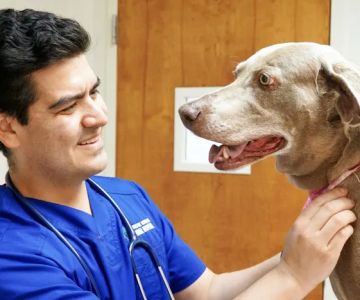
3. Do You Need to Be a Veterinarian? Understanding the Requirements
To become a veterinarian, specific educational and licensing requirements must be met. While not everyone needs to be a veterinarian to work in the animal healthcare field, those who wish to have a medical license to treat animals must complete the necessary training. Here are the key steps involved:
3.1. Educational Requirements
The first major requirement for becoming a veterinarian is obtaining the proper education. To become a licensed veterinarian in the United States, you typically need to complete a Doctor of Veterinary Medicine (DVM) degree. Here’s how the process generally unfolds:
- Undergraduate Education: Before applying to veterinary school, aspiring veterinarians must first complete a bachelor’s degree. While a specific major isn’t required, most students choose to study biology, animal science, or another science-related field to meet the prerequisites for veterinary school. This typically takes 4 years.
- Veterinary School: After completing an undergraduate degree, you can apply to a veterinary school accredited by the American Veterinary Medical Association (AVMA). Veterinary school typically lasts 4 years and covers subjects like anatomy, pharmacology, surgery, and animal care.
- Licensing Exams: After earning a DVM degree, you must pass a licensing exam, such as the North American Veterinary Licensing Exam (NAVLE). The NAVLE is a comprehensive test that evaluates your knowledge and skills in veterinary medicine.
In addition to the formal education and licensing exams, some veterinarians may choose to pursue advanced training through internships or residencies in specialized fields, such as surgery, dermatology, or internal medicine.
3.2. Experience in Animal Care
Experience working with animals is also essential to becoming a veterinarian. Most veterinary schools require applicants to have hands-on experience with animals before admission. This experience can come in many forms, including volunteering at animal shelters, working at animal hospitals, or shadowing practicing veterinarians.
Gaining experience with animals helps you understand the nature of animal care and prepares you for the responsibilities you will face as a veterinarian. It’s also valuable for building your application for veterinary school, as schools look for applicants with a passion for animal welfare and relevant experience.
4. The Challenges of Becoming a Veterinarian
Becoming a veterinarian is not an easy path. It requires years of rigorous education, training, and dedication. Here are a few challenges that aspiring veterinarians may face:
4.1. Cost of Education
Veterinary education can be expensive. The cost of attending veterinary school can range from $20,000 to $60,000 per year, depending on the school and whether it’s public or private. While scholarships and financial aid are available, many students graduate with significant student loan debt. This financial burden can be a challenge for some students, especially those planning to work in lower-paying veterinary fields, such as animal shelters or non-profit organizations.
4.2. Emotional and Physical Demands
Veterinarians often deal with emotionally taxing situations, such as euthanizing animals or delivering bad news to pet owners. Additionally, the work can be physically demanding, especially for those performing surgeries or working with large animals. It requires resilience and the ability to handle difficult situations with professionalism and compassion.
4.3. Long Working Hours
Veterinarians frequently work long hours, including weekends and evenings. Emergency veterinary services are often required outside of regular office hours, and veterinarians may need to be on-call for after-hours emergencies. This can lead to a demanding work-life balance, especially for those in private practice.
5. Career Opportunities for Veterinarians
The career prospects for veterinarians are diverse, and the field offers numerous opportunities for specialization. Veterinarians can work in various settings, including:
5.1. Private Practice
Many veterinarians choose to work in private practice, where they provide care for pets, livestock, or exotic animals. Some veterinarians open their own practices, while others join established practices. Working in private practice allows for autonomy and direct patient care but often involves business management responsibilities.
5.2. Research and Education
For those interested in research, veterinary medicine offers opportunities to work in universities, pharmaceutical companies, or research labs. Veterinarians in research contribute to advancing medical knowledge and developing new treatments for animals and humans alike.
5.3. Public Health and Policy
Veterinarians can also work in public health, where they monitor diseases that affect animals and humans. For example, veterinarians working for the Centers for Disease Control and Prevention (CDC) or the World Health Organization (WHO) play a crucial role in preventing the spread of zoonotic diseases.
6. Conclusion: Is Becoming a Veterinarian Right for You?
If you are passionate about animals and have the dedication to pursue a long and challenging education, becoming a veterinarian can be an incredibly rewarding career. It offers the opportunity to make a real difference in the lives of animals and their owners. However, it’s important to consider the challenges and requirements, such as the cost of education, the emotional demands of the job, and the long working hours.
If you’re ready to take the first step towards a career as a veterinarian, make sure to explore all your options, including finding the right veterinary school, gaining hands-on experience, and seeking out financial assistance. With hard work and dedication, you can make your dream of becoming a veterinarian a reality. And if you’re looking for guidance and resources along the way, Inked Up Dolls offers a variety of helpful tools to get you started on your career path.








