
What Is a Certified Veterinary Assistant and How to Become One
- understanding-the-role-of-a-certified-veterinary-assistant - Understanding the Role of a Certified Veterinary Assistant
- why-certification-matters-in-animal-care - Why Certification Matters in Animal Care
- how-to-become-a-certified-veterinary-assistant - How to Become a Certified Veterinary Assistant
- real-world-insights-from-the-field - Real-World Insights from the Field
- what-to-look-for-in-a-veterinary-assistant-training-program - What to Look for in a Veterinary Assistant Training Program
- kickstarting-your-career-as-a-certified-veterinary-assistant - Kickstarting Your Career as a Certified Veterinary Assistant
Understanding the Role of a Certified Veterinary Assistant
A certified veterinary assistant (CVA) is a trained professional who supports veterinarians and veterinary technicians in clinical settings such as animal hospitals, pet clinics, and shelters. These professionals handle essential duties such as preparing animals for exams, sterilizing equipment, feeding and exercising animals, maintaining records, and communicating with pet owners. Their work ensures the veterinary clinic operates smoothly and compassionately.
Unlike untrained aides, CVAs have formal education and have passed certification exams, which means they’re trusted with greater responsibility and are more confident when dealing with both routine procedures and emergency situations.
Why Certification Matters in Animal Care
Becoming a certified veterinary assistant is more than just a title—it's a sign of commitment to animal welfare and professionalism. Clinics and hospitals often prefer certified candidates because they come ready with knowledge about animal anatomy, medical terminology, and safe handling practices. Certification demonstrates a foundational understanding of veterinary practices and can lead to better job prospects and higher earning potential.
One recent study by the National Association of Veterinary Technicians in America (NAVTA) showed that certified veterinary assistants are more likely to stay in their roles longer and pursue advanced roles like veterinary technician or technologist.
How to Become a Certified Veterinary Assistant
The path to becoming a certified veterinary assistant involves several steps, but it’s entirely achievable with the right guidance and commitment. Here’s how:

1. Complete a Training Program
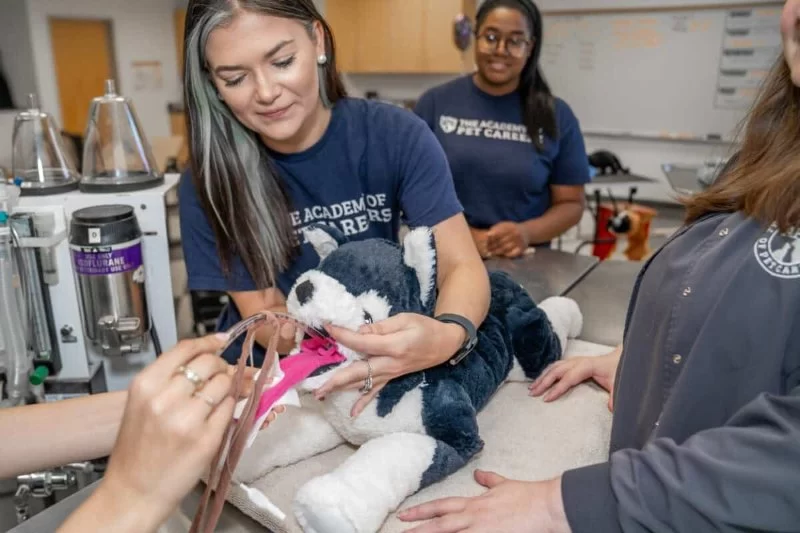
Choose a reputable veterinary assistant training program that is approved by a recognized organization like the Texas Veterinary Medical Association (TVMA) or NAVTA. These programs often include both online coursework and hands-on training at animal care facilities.

2. Gain Clinical Experience
Most certification paths require a minimum number of clinical hours under a licensed veterinarian’s supervision. This real-world exposure is critical for developing the skills and confidence needed for the role.
3. Pass the Certification Exam
Once your training and clinical hours are complete, you’ll need to pass a certification exam. This usually includes multiple-choice questions covering veterinary terminology, ethics, procedures, and animal care basics.
Real-World Insights from the Field
Consider the story of Laura M., who transitioned from working in retail to becoming a certified veterinary assistant after volunteering at a local animal shelter. “I always loved animals but never knew how to turn that into a career,” she said. After enrolling in an accredited CVA program and completing her externship, Laura now works full-time in a busy animal hospital and is studying to become a veterinary technician.
Her story isn't unique. Many CVAs start with a deep love for animals and use certification as the bridge to a fulfilling and stable career. This real, measurable path makes it one of the most accessible ways to enter the veterinary field.
What to Look for in a Veterinary Assistant Training Program
When searching for a veterinary assistant certification program, prioritize the following:
- Accreditation: Ensure it’s approved by industry-recognized bodies.
- Hands-On Experience: Programs should offer externships or clinical hours.
- Flexibility: Especially if you're balancing other responsibilities, online options with in-person practicums are ideal.
- Support Services: Look for programs that offer job placement help and academic support.
Many aspiring CVAs find success with programs like Penn Foster or Animal Behavior College, which provide self-paced learning combined with externship opportunities.
Kickstarting Your Career as a Certified Veterinary Assistant
Once you’re certified, it’s time to find your first role. Start by preparing a resume that highlights your veterinary assistant training, certifications, and any animal care experience. Network within the industry—many jobs come from referrals or internship connections.
To boost your employability even further, consider investing in tools like professional scrubs, a stethoscope, and study materials for continuing education. Many CVAs go on to become registered veterinary technicians or specialize in areas like dental care or surgery assistance.
Ready to begin? Investing in a veterinary assistant certification program is more than a career choice—it’s a calling. And it starts with one step: finding the right training. Explore our recommended programs today and start your journey to becoming a certified veterinary assistant.








