Understanding Excessive Sneezing and Watery Eyes in Cats
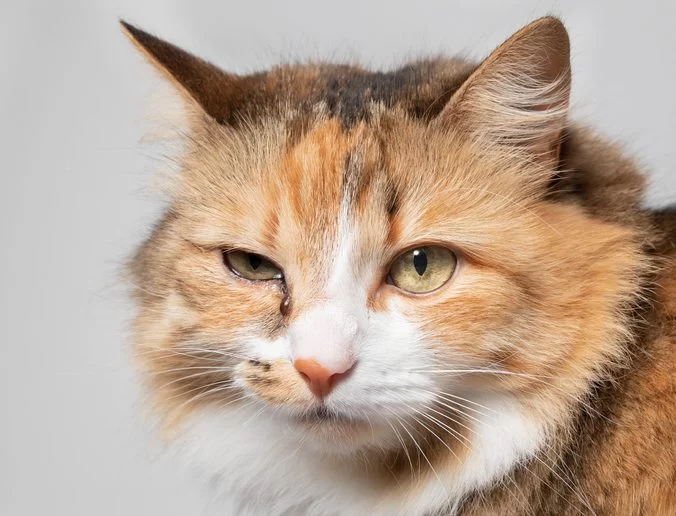
As a cat owner, there’s nothing quite as concerning as when your furry friend starts sneezing excessively or developing watery eyes. My cat, Luna, went through this troubling phase not too long ago, and it was incredibly unsettling for me to watch. I knew she wasn’t her usual energetic self, and I couldn’t figure out why. After some research and a trip to the vet, I learned that these symptoms, though common, could be caused by a number of underlying issues. In this article, I’ll share my experience and what I discovered about the causes, treatments, and solutions for excessive sneezing and watery eyes in cats.
1. Common Causes of Excessive Sneezing and Watery Eyes
When Luna began sneezing more than usual and her eyes started to water, I immediately thought it might be a cold. But it turns out, there are various reasons why a cat might exhibit these symptoms. Let me walk you through the most common causes, which could help you pinpoint what’s happening with your own cat.
1.1. Respiratory Infections
One of the first things my vet mentioned was that respiratory infections are one of the most common reasons for sneezing and watery eyes in cats. These infections can be viral or bacterial. In Luna’s case, she had contracted a feline viral upper respiratory infection (URI), often referred to as the “cat cold.” The symptoms are similar to what we experience when we catch a cold—sneezing, watery eyes, nasal congestion, and sometimes a slight cough.
Respiratory infections in cats are highly contagious, and they can spread quickly, especially in multi-cat households or shelters. If your cat has been around other animals recently, or if there have been sudden environmental changes, this could be the culprit.
1.2. Allergies
Just like humans, cats can suffer from allergies, and they can manifest as sneezing and watery eyes. I didn’t realize Luna had allergies until I started to notice patterns. Whenever I’d clean her litter box or use certain cleaning products around the house, the sneezing and watery eyes seemed to worsen. It turns out, dust, pollen, mold, or even certain chemicals in the environment can trigger allergic reactions in cats.
If your cat is exhibiting these symptoms seasonally or after specific environmental exposures, allergies could be the cause. It’s important to observe your cat's behavior and surroundings to identify potential allergens.
1.3. Foreign Objects or Irritants
Another possible cause of excessive sneezing and watery eyes is foreign objects or irritants, such as dust, smoke, or even tiny pieces of grass or plant material that can get lodged in your cat’s nasal passages or eyes. Luna had once developed watery eyes after getting a piece of grass stuck in her eye during one of our outdoor adventures. It caused irritation, and she started sneezing uncontrollably.
If your cat has been in a dusty area or near something that could irritate their eyes or nose, it’s possible they’re sneezing to clear their airways. If this is the case, you may need to gently flush their eyes with saline solution or seek professional help if the irritation persists.
1.4. Sinusitis or Dental Issues
Chronic sneezing and watery eyes can also be a sign of sinusitis or dental problems in cats. Dental infections or severe gum disease can sometimes spread to the sinuses and cause a buildup of mucus, leading to sneezing and watery eyes. I remember a time when Luna's symptoms didn’t improve, and I took her for a dental check-up. It turned out that she had a mild dental infection that was affecting her sinuses.
If your cat has ongoing sneezing and eye discharge with no clear cause, it’s worth getting their teeth checked as dental issues can sometimes be the root of the problem.
2. How to Treat Excessive Sneezing and Watery Eyes in Cats
Treating your cat's excessive sneezing and watery eyes depends largely on the underlying cause. After determining what was wrong with Luna, I followed my vet’s advice on how to treat her symptoms. Here are some of the common treatments and remedies that could help your cat feel better.
2.1. Prescription Medications
If your cat has a respiratory infection, the vet may prescribe antiviral or antibiotic medications to help clear the infection. Luna was given antibiotics because her URI was bacterial in nature. The medication helped her recover much quicker than if she had been left untreated.
For cats with allergies, antihistamines or corticosteroids may be recommended to reduce inflammation and control symptoms like sneezing and watery eyes. Your vet will be able to provide the right medication based on your cat’s specific needs.
2.2. Hydration and Humidifiers
Keeping your cat hydrated is important for managing respiratory symptoms. If your cat’s nose is congested, they may not be able to smell their food, which can decrease their appetite. To help Luna stay hydrated, I made sure she had access to fresh water at all times and used a humidifier in the room to keep the air moist, which helped soothe her nasal passages and made it easier for her to breathe.
Using a humidifier is a simple yet effective way to relieve your cat’s symptoms, especially if the cause of the sneezing is due to dryness or irritation in the airways.
2.3. Eye Care
If your cat’s eyes are excessively watery, gently wiping away any discharge with a clean, damp cloth can help keep their eyes clean and free from infection. Luna had a lot of eye discharge during her URI, and I used saline solution to clean her eyes daily. It was important to keep the area around her eyes dry to avoid further irritation or infection.
2.4. Keeping a Clean Environment
For cats with allergies, reducing environmental irritants is key. Luna's sneezing worsened when I used strong-smelling cleaning products, so I switched to natural, fragrance-free alternatives. I also vacuumed frequently to reduce dust and pet dander in the house.
If your cat has allergies, consider using air purifiers in the home or limiting their exposure to outdoor allergens during high pollen seasons. Keeping a clean and allergen-free environment is crucial to managing their condition.
3. When to Seek Veterinary Help
While sneezing and watery eyes are often nothing to worry about, if your cat's symptoms persist for more than a few days or worsen, it's important to seek veterinary attention. Luna’s condition required medical intervention because her URI was not resolving on its own. A vet visit can help identify the cause of your cat's symptoms and provide the appropriate treatment.
If your cat is also showing signs of lethargy, loss of appetite, or trouble breathing, these could be signs of a more serious condition, and you should take them to the vet immediately.
Overall, it's important to monitor your cat's behavior and symptoms closely. With the right care and treatment, most cases of sneezing and watery eyes in cats can be managed effectively, and your cat can get back to their healthy, playful self in no time.