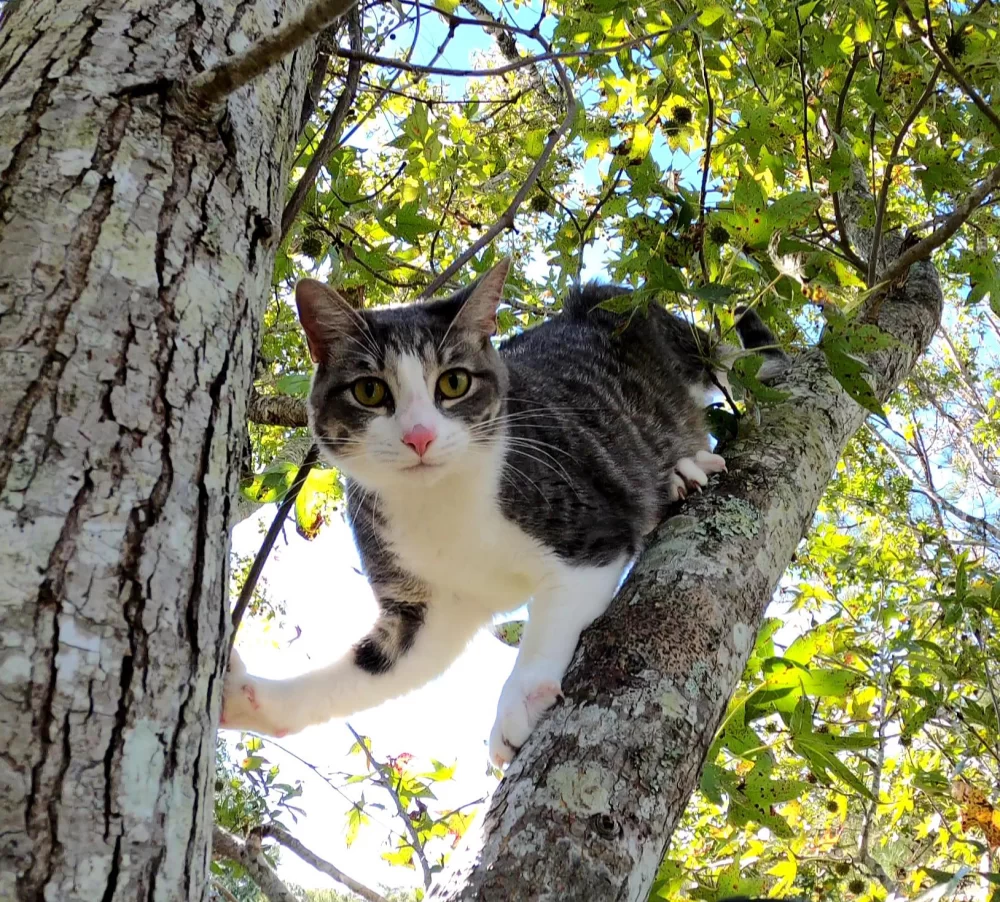
Why Is My Cat Limping After Climbing Trees?
As a proud cat owner, I know firsthand how adventurous and curious our feline friends can be. Cats love to explore, and trees often become their personal jungle gyms. But what happens when your cat limps after an exciting climb? It’s worrying, especially when you see your cat struggling to move after what should have been a fun adventure.
In this article, I’ll share my experience with my cat, Whiskers, who came back from a tree-climbing session limping, and explain what could be happening with your cat. We’ll cover common injuries that happen when cats climb trees, how to recognize the signs of injury, and most importantly, how to help your cat recover.

Common Causes of Limping in Cats After Tree Climbing
Climbing trees may seem like a harmless activity for your cat, but it can sometimes result in injuries. Cats are generally agile creatures, but they can still get hurt if they jump or climb in an awkward way. From minor sprains to more severe injuries, there are several reasons why your cat might be limping after climbing a tree.

621 Larpenteur Ave W, Roseville, MN 55113, USA
See Details1. Sprained or Strained Muscles
Just like humans, cats can sprain or strain their muscles when they make an abrupt movement or land awkwardly after climbing. When Whiskers returned from a particularly tall tree one afternoon, I noticed her limping and favoring one of her back legs. She had likely overextended herself while jumping between branches, which caused a mild sprain in her leg.
If your cat is limping after climbing, a sprain or strain is one of the most likely causes. Sprains occur when the ligaments are stretched or torn, and strains happen when the muscles or tendons are overstretched. Both conditions are common in active cats, especially after a challenging climb.
2. Scratches or Paw Injuries
When your cat climbs a tree, their paws can get scratched by branches, rough bark, or other sharp objects. These scratches may not always be immediately obvious, but they can be painful enough to cause your cat to limp. Whiskers once got a deep scratch on her paw during one of her climbing escapades, which made her walk with a limp for a few days.
If your cat is limping and you suspect a paw injury, carefully examine their paws for any cuts, splinters, or swelling. Cats are good at hiding pain, so a scratch could be more painful than it appears. A minor injury may heal on its own, but it’s important to monitor it to avoid infection.
3. Broken or Fractured Bones
Though rare, it’s possible for a cat to fracture a bone during a climb, especially if they fall or land incorrectly. Cats can jump great distances and climb to impressive heights, but sometimes their landings can be awkward or they can lose their grip, resulting in a bone fracture. If your cat is limping and also showing signs of pain, such as crying when moving or avoiding using the injured leg, it could be a sign of a break or fracture.
I once had a friend whose cat broke a leg after jumping from a high tree. The poor cat wasn’t able to put weight on the leg, and the vet confirmed the fracture. If you suspect your cat has broken a bone, it’s important to seek immediate veterinary care.
4. Dislocated Joints
Dislocations are less common in cats but can occur, especially if your cat falls or lands awkwardly after climbing. A dislocated joint occurs when the bones in the joint become misaligned, which can cause pain, swelling, and limping. This can be particularly concerning if it affects one of the major joints, like the shoulder or hip.
If your cat is limping and refuses to put weight on a limb, a dislocated joint may be the cause. In this case, a trip to the vet is necessary to have the joint properly realigned and treated. Dislocated joints often require professional care to prevent further damage or discomfort.
What to Do If Your Cat Is Limping
If you’ve noticed that your cat is limping after climbing a tree, there are a few steps you can take to assess the situation and help them recover.
1. Inspect Your Cat for Visible Injuries
The first step is to carefully examine your cat’s body, especially their paws and legs. Look for any cuts, swelling, bruising, or signs of infection. If you notice anything unusual, such as a large wound or swelling that doesn’t go down, it’s important to get in touch with your vet.
Whiskers once had a small cut between her toes that caused her to limp. I cleaned it carefully and applied some pet-safe antiseptic cream, and within a few days, she was back to her usual self.
2. Limit Your Cat’s Activity
After an injury, it’s essential to give your cat time to rest. Encourage them to stay indoors and limit jumping or climbing for at least a few days. This allows the injured area to heal without putting additional strain on it. If your cat is particularly active, you may need to confine them to a small area to prevent excessive movement.
3. Apply Ice or Heat (Depending on the Injury)
If your cat has a sprain, strain, or soft tissue injury, applying ice to the affected area can help reduce swelling and pain. Use a cold compress or wrap some ice in a cloth and apply it to the area for 10-15 minutes. For more chronic pain or stiffness, applying heat may help relax the muscles and improve blood flow. Always monitor your cat’s comfort level to ensure the treatment is not too hot or cold.
4. Seek Veterinary Care
If your cat continues to limp after a day or two, or if you suspect a more serious injury, it’s important to take them to the vet. The vet will be able to perform a thorough examination and may recommend X-rays if they suspect a fracture or dislocated joint. Early diagnosis and treatment can prevent further complications and ensure your cat’s full recovery.
How to Prevent Future Injuries
While you can’t completely prevent your cat from climbing trees or exploring, there are steps you can take to minimize the risk of injury:
1. Provide Safe Climbing Opportunities
Consider providing your cat with safer climbing spaces, like a cat tree indoors or a secure outdoor cat enclosure. This allows them to satisfy their climbing instincts without the risks associated with climbing high trees.
2. Keep Your Cat’s Nails Trimmed
Keeping your cat’s nails trimmed can reduce the risk of injury while climbing. Cats can often get their claws caught on tree branches or bark, leading to injury. Regular nail trimming is an easy way to ensure your cat’s claws are manageable and less likely to cause problems.
3. Monitor Your Cat’s Health Regularly
Ensuring your cat is in good overall health will help prevent injuries during climbing and other physical activities. Regular vet visits, a balanced diet, and regular exercise are essential to keeping your cat strong and agile.