Why Is My Cat Licking Its Body Excessively?
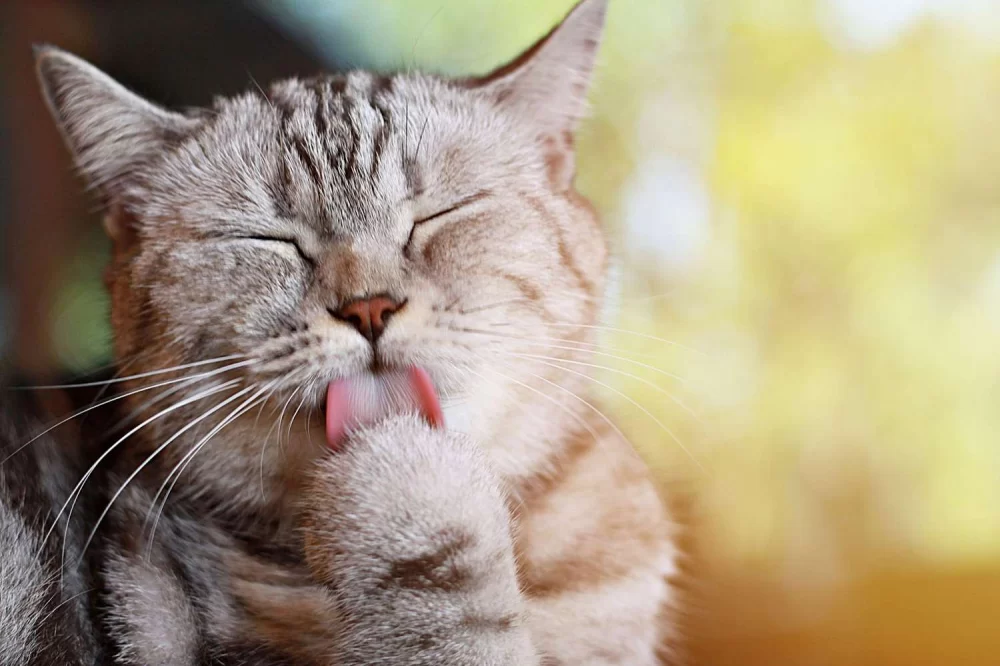
If you're a cat owner, you’ve probably noticed that your feline friend spends a lot of time grooming itself. Cats are known for being fastidious groomers, and licking is a natural and healthy behavior for them. However, when this behavior becomes excessive, it could be a sign of something more serious. I found myself asking this very question when I first noticed my own cat licking its body excessively. At first, it seemed like normal grooming, but soon, it became a worrying habit that I couldn't ignore.
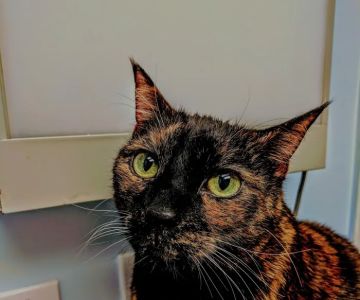
Understanding Excessive Licking in Cats
Excessive licking is when a cat grooms itself more than usual, often focusing on one area of the body. Cats may lick their fur to keep clean, but when they lick too much, it can lead to hair loss, skin irritation, or sores. As a concerned pet owner, I wanted to understand why my cat was doing this, so I started researching the possible causes of excessive licking.

Possible Causes of Excessive Licking
There are several potential reasons why a cat may lick its body excessively. Some of the most common causes include:
- Allergies: Cats can develop allergies to food, environmental factors like pollen, or even flea bites. These allergies can cause itching, prompting a cat to lick or bite at the affected areas.
- Flea Infestations: Fleas are a common cause of itching and discomfort for cats. If your cat is licking excessively, it's worth checking for signs of fleas or flea dirt, especially around the tail and back.
- Skin Infections: Bacterial or fungal infections can make a cat's skin itchy and uncomfortable. Cats may lick or bite at the affected area to relieve the irritation.
- Dry Skin: Cats can suffer from dry skin, especially during the winter months when the air is dry. Dry, flaky skin can lead to licking as a way to soothe the discomfort.
- Pain or Injury: Sometimes, excessive licking can be a sign of pain. If a cat has an injury, arthritis, or another source of pain, they may lick the area to self-soothe.
- Stress and Anxiety: Cats are highly sensitive to stress, and changes in their environment or routine can lead to excessive licking as a coping mechanism. It can be caused by things like a move, the introduction of new pets, or even changes in their daily schedule.
How to Tell If Your Cat's Licking Is a Problem
It's important to differentiate between normal grooming behavior and excessive licking. Here are some signs that may indicate your cat's licking has become problematic:
- The licking is persistent and happens for long periods of time.
- Your cat is licking the same area repeatedly, causing bald spots or sores.
- The skin appears irritated, red, or inflamed.
- Your cat seems uncomfortable or anxious when grooming.
- There are signs of hair loss or skin damage from the licking.
If you notice these signs in your cat, it’s time to take action and possibly seek veterinary advice.
What to Do If Your Cat Licks Excessively
After noticing my own cat's excessive licking, I took some steps to address the issue. Here are some things you can do if you’re facing the same situation:
1. Visit the Veterinarian
The first step in addressing excessive licking is to consult a veterinarian. A professional can help determine the underlying cause of the behavior and recommend the appropriate treatment. Whether it's a skin infection, allergies, or anxiety, a vet will be able to provide a diagnosis and guide you on how to proceed.
2. Check for Fleas and Allergies
If your cat’s licking seems to be focused on specific areas like the back or tail, it’s essential to check for fleas. Fleas are a common cause of itching, and they can cause your cat to lick or bite at the affected area. Additionally, consider whether your cat has been exposed to new foods, environmental allergens, or seasonal changes that could trigger an allergic reaction.
3. Provide a Stress-Free Environment
If you think your cat's excessive licking is related to stress or anxiety, try to identify any changes in its environment. Have you recently moved? Is there a new pet in the household? Reducing stress can involve providing a calm and secure space for your cat, using calming products like pheromone diffusers, or even incorporating more playtime and bonding activities into your routine.
4. Treat Dry Skin
If dry skin is the culprit, adding a humidifier to your home or using moisturizing cat shampoos may help soothe your cat’s skin. Make sure your cat has access to fresh water at all times, as dehydration can worsen dry skin. Consult your veterinarian for recommendations on how to treat dry skin effectively.
5. Use Anti-Lick Products
In some cases, your vet may recommend using anti-lick sprays or topical treatments to discourage licking. These products can be helpful in breaking the habit, especially if the licking is caused by an injury or irritation that requires time to heal.
My Experience With My Cat's Excessive Licking
When my own cat, Whiskers, started licking his belly constantly, I became concerned. I first thought it was just normal grooming, but as the days went by, I noticed he was licking the same spot over and over again. I took him to the vet, where we discovered he had a mild flea infestation that was causing him to itch. After treating him for fleas and making a few changes to his environment, the licking stopped. It was such a relief to see Whiskers feeling comfortable again, and it taught me just how important it is to pay attention to these behaviors.
Excessive licking can be a sign of an underlying problem, but with the right care and attention, it's something that can usually be resolved. Whether it's allergies, stress, or a skin infection, addressing the issue promptly can make a huge difference in your cat's comfort and well-being.