Understanding Why Cats Lick Their Belly and Legs Excessively
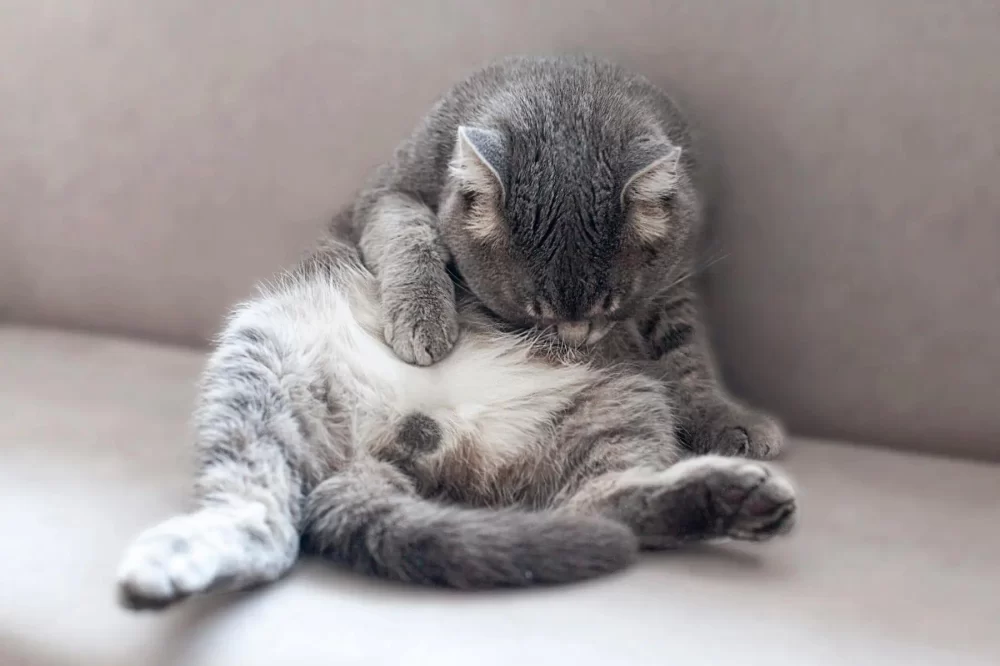
If you’ve noticed that your cat has been licking its belly and legs excessively, you’re not alone. As a cat owner, I’ve been there, watching my feline friend constantly groom areas that seem to be causing her discomfort. It can be puzzling and sometimes concerning, especially when the licking becomes a repetitive behavior. Cats are meticulous groomers, but when the licking becomes excessive, it can be a sign of underlying issues. In this article, I’ll dive into the reasons why your cat might be licking its belly and legs so much and offer solutions to help both you and your cat feel more comfortable.

What’s Behind Excessive Licking in Cats?
Excessive licking in cats isn’t just a quirky habit. It’s important to understand that this behavior can be triggered by several factors, some of which may be medical, behavioral, or environmental. Cats may lick for self-soothing, hygiene, or even out of instinct, but if it becomes excessive or focused on specific areas like the belly and legs, it could be a sign that something is wrong.
1. Skin Conditions and Allergies
One of the most common reasons for excessive licking is skin irritation caused by allergies. My cat, Lucy, once started licking her belly and legs obsessively, and I soon realized it was due to an allergy to certain food ingredients. Cats can develop sensitivities to various substances like dust mites, pollen, or even ingredients in their food. When they come into contact with an allergen, it triggers itching and irritation, which leads them to lick those affected areas.
If your cat is licking its belly and legs to the point where the skin becomes raw or inflamed, it might be due to an allergy. It could be food-related or environmental. Fleas and other parasites can also cause skin reactions, so it’s important to rule out these possibilities first.
2. Fleas, Ticks, and Other Pests
Fleas and ticks are notorious for causing excessive itching in cats, and they often target areas like the belly and legs, where the fur is thinner. If your cat is scratching, biting, or licking these areas more than usual, it could be a sign of a flea infestation. Fleas can cause serious discomfort and even allergic reactions, leading to excessive grooming as your cat tries to relieve the itching.
While ticks might be less of a concern in indoor-only cats, it’s still essential to check your pet regularly for any external parasites. Flea treatments and pest prevention methods can help manage and eliminate these pests, providing your cat with much-needed relief.
3. Dry Skin and Irritation
Just like humans, cats can suffer from dry, flaky skin, especially during colder months or in dry climates. My cat once started licking her legs and belly because of dry patches that were irritating her. Cats will often lick or bite at dry skin to relieve the discomfort. This can lead to a cycle of licking, causing the skin to become even more irritated and possibly leading to further issues such as infections or hair loss.
Dry skin can be caused by a variety of factors, including changes in weather, poor diet, or even harsh grooming products. If you suspect that dry skin is the cause of your cat’s excessive licking, consider using a humidifier in your home, moisturizing sprays designed for cats, or adjusting their diet to include more fatty acids like omega-3s, which promote skin health.
4. Stress and Anxiety
Cats, like humans, can become stressed, and when they do, they often engage in behaviors like excessive grooming. If your cat is licking its belly and legs out of the blue, it could be a reaction to stress or anxiety. Changes in routine, new people or animals in the household, or even loud noises can trigger anxiety in cats.
I’ve noticed my cat licking excessively when we moved to a new house. It was her way of coping with the stress of the new environment. Some cats also lick to self-soothe when they feel anxious. If you suspect that stress is the cause, providing a calm environment and incorporating stress-reducing activities like interactive play or using feline pheromone diffusers can help alleviate the anxiety.
5. Infections or Underlying Health Conditions
While less common, infections or underlying health conditions could also be responsible for your cat’s excessive licking. Bacterial or fungal infections, such as ringworm, can cause itching and discomfort, prompting your cat to lick its belly or legs. In addition, conditions like arthritis or internal pain can make certain areas sensitive to the touch, leading to grooming in an attempt to soothe the discomfort.
If your cat’s licking is accompanied by other symptoms like redness, swelling, hair loss, or a change in appetite, it’s time to visit the vet. A thorough check-up can help rule out more serious issues and ensure your cat gets the proper treatment.
How to Address Excessive Licking in Cats
If your cat is licking its belly and legs excessively, there are several steps you can take to address the issue and help your cat feel more comfortable. Here’s what I learned from my experience:
1. Visit the Vet for a Proper Diagnosis
Whenever your cat starts exhibiting abnormal behavior like excessive licking, it’s always a good idea to consult with a veterinarian. A vet can help identify whether the issue is medical (like allergies, parasites, or infections) or behavioral (like stress). Lucy’s excessive licking, for example, was diagnosed as an allergy to certain foods, and with the help of my vet, I was able to adjust her diet to resolve the problem.
2. Flea and Tick Prevention
Regular flea and tick prevention is a must for cats, especially those that go outside. There are many products available, including topical treatments and collars. Ensuring your cat is protected from pests will help reduce the risk of irritation caused by flea bites.
3. Moisturize and Maintain a Healthy Coat
For cats with dry skin, moisturizing sprays and oils can help soothe irritated areas. There are also shampoos available that are specifically designed to treat dry skin in cats. Regular grooming can also help remove dead skin cells and improve overall skin health.
4. Create a Stress-Free Environment
If anxiety or stress is the cause of your cat’s excessive licking, try to identify and eliminate the source of stress. Creating a quiet, calm space for your cat can help ease its nerves. Playtime and enrichment are essential in keeping your cat mentally stimulated and relaxed.
5. Consider Behavioral Modification
If the licking seems to be more of a behavioral issue than a medical one, working with a pet behaviorist might help. They can offer strategies to redirect your cat’s grooming behavior and reduce the frequency of excessive licking.
Conclusion
Excessive licking of the belly and legs in cats can be caused by a variety of factors, including allergies, parasites, dry skin, anxiety, or infections. By observing your cat’s behavior and seeking professional help from a veterinarian, you can determine the underlying cause and provide the appropriate treatment. With the right approach, your cat can return to its healthy, happy self, and you’ll both be able to enjoy your time together once again.