What Are the Symptoms of Excessive Thirst and Lack of Energy in Cats?
Has your cat been drinking more water than usual and showing less interest in playtime or exploring? Excessive thirst and a lack of energy can be signs of something more serious going on with your feline friend. While it's normal for cats to need water to stay hydrated, sudden changes in their drinking habits combined with sluggish behavior could indicate an underlying health condition.

Recognizing the Early Signs of a Problem
It's important for cat owners to pay attention to subtle changes in their pet's behavior. Excessive thirst, also known as polydipsia, can be accompanied by polyuria (increased urination), lethargy, and changes in appetite. These signs may not always point to one specific issue, but they could be indicative of a number of potential medical conditions, including diabetes, kidney disease, or hyperthyroidism.

Understanding Why Your Cat Drinks Excessively
Excessive thirst in cats can be caused by a variety of factors. One of the most common culprits is kidney disease, especially in older cats. The kidneys are responsible for filtering toxins from the blood, and when they start to fail, they lose their ability to conserve water, leading to increased thirst and urination. Diabetes is another common condition that can cause a cat to drink more water, as the body attempts to flush out excess sugar through urine.
What Could Lack of Energy in Cats Indicate?
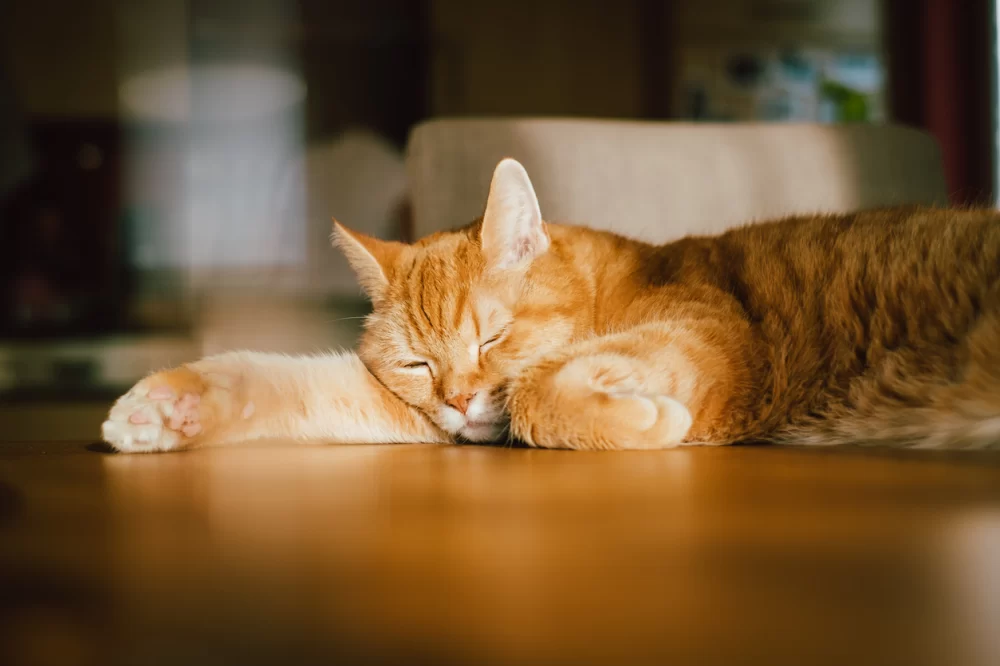
On the other hand, a sudden drop in energy or an increase in sleep could point to several possible health issues. Cats are generally known for their independent nature and can sleep up to 16 hours a day, but when a cat is overly tired and uninterested in physical activity or socializing, something might be wrong.
Conditions Linked to Lethargy in Cats
Lethargy in cats is often associated with conditions like anemia, infections, or even heart disease. A cat that is both excessively thirsty and lacking in energy may be dealing with multiple issues at once, such as kidney failure or diabetes. It's essential to consult with a veterinarian to pinpoint the exact cause of the symptoms.
Other Potential Causes for Lack of Energy
Aside from the medical conditions mentioned above, lack of energy in cats could stem from stress, environmental changes, or even boredom. If you've recently moved to a new house, introduced a new pet, or changed your cat's routine, these changes could contribute to their low energy levels. However, if these behavioral changes persist, it's crucial to seek professional advice.
What Should You Do if Your Cat Shows These Symptoms?
If you notice that your cat is drinking more than usual and showing signs of lethargy, don't wait for things to improve on their own. Schedule an appointment with your veterinarian as soon as possible. Your vet will likely run blood tests, urine tests, and possibly imaging tests to determine what might be causing these symptoms.
Treatment Options for Excessive Thirst and Lack of Energy
Once your cat is diagnosed, treatment will vary depending on the condition. If your cat has diabetes, for example, managing blood sugar levels through diet, insulin injections, and regular monitoring may be necessary. In cases of kidney disease, treatment might include fluid therapy and medications to support kidney function. Each treatment plan will be tailored to your cat's specific needs and health condition.
Preventing Future Issues and Keeping Your Cat Healthy
While some health conditions like kidney disease and diabetes are more common in senior cats, they can affect felines of all ages. The best way to help your cat stay healthy is by providing a balanced diet, encouraging regular exercise, and ensuring access to fresh water at all times. Regular check-ups with the vet can also help catch potential issues early, so your cat can continue living a long and healthy life.
Real-Life Story: How a Cat Overcame Lethargy and Excessive Thirst
Meet Luna, a 10-year-old tabby who had always been full of energy. But over the course of several weeks, her owner, Sarah, noticed that Luna was drinking more water than usual and sleeping all day long. Concerned, Sarah took Luna to the vet, where they discovered that Luna had early-stage kidney disease. Thanks to timely intervention and a personalized treatment plan, Luna is now doing much better. She's back to her usual self—playing and exploring again. Sarah’s story is a reminder that paying attention to your cat's behavior can make a huge difference in their health.
Final Thoughts: Keeping an Eye on Your Cat’s Health
As a cat owner, it’s important to stay vigilant and recognize the signs when something’s not quite right. Excessive thirst and lack of energy are not issues to ignore. Early detection and treatment can make a significant difference in your cat's recovery and long-term health. Be proactive, and don't hesitate to seek professional advice when needed. Your furry friend’s well-being is worth it!