What’s Behind Your Cat’s Excessive Drooling and Foaming Mouth?
As a cat owner, I’ve had my fair share of unusual moments with my feline companions, but nothing quite prepared me for the time I saw my cat, Whiskers, drooling excessively and foaming at the mouth. At first, I thought maybe it was just a fluke, a one-off incident, but when it kept happening, I knew something wasn’t right. I’m sure many of you have faced similar concerns, and that’s why I wanted to share my experience and what I learned about this troubling symptom in cats.
Excessive drooling and foaming at the mouth in cats can be a sign of something serious, but it’s important not to panic right away. By understanding the potential causes, you can take the right steps to help your furry friend feel better. So, let’s break down this issue and explore the various reasons why your cat might be drooling or foaming at the mouth.

What Does Excessive Drooling in Cats Mean?
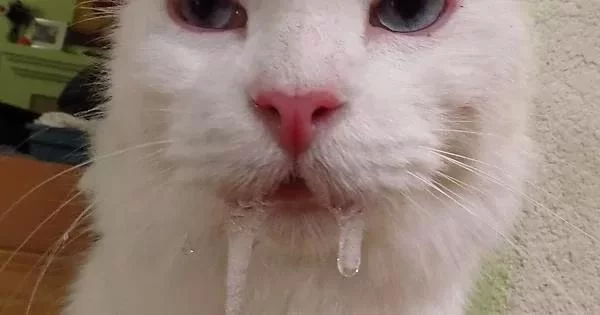
When I first noticed Whiskers drooling, I immediately assumed it was just a bit of extra saliva, maybe because he was eating or playing around with something. However, as time went on, I realized it wasn’t just a little drool. He was producing a large amount of saliva, and it wasn’t normal. Excessive drooling, or hypersalivation, in cats can be caused by a variety of factors. While occasional drooling is normal, especially when they’re excited or content, persistent drooling should raise a red flag.
One of the first things I learned is that drooling can be a symptom of dental issues. Cats, like us, can suffer from gum disease, tooth decay, or abscesses that cause discomfort and lead to drooling. In fact, dental problems are one of the most common reasons for excessive drooling in cats. It’s important to check for other signs of dental discomfort, such as pawing at the mouth, foul odor, or difficulty eating.
Why Is My Cat Foaming at the Mouth?
Foaming at the mouth is a more concerning symptom. When I saw the foam around Whiskers’ mouth, my worry level definitely increased. Foamy saliva isn’t something that should be ignored. It can indicate a more serious health issue. Here are some potential causes for foaming at the mouth in cats:
- Poisoning or Toxic Exposure: One of the most alarming reasons for foaming at the mouth in cats is poisoning. If your cat ingested something toxic, like certain plants, chemicals, or foods (such as chocolate), it can lead to foaming at the mouth, drooling, and even other symptoms like vomiting or lethargy. In Whiskers' case, I immediately thought about whether he had gotten into anything dangerous. Unfortunately, cats are often curious about things they shouldn’t eat, and some plants or household chemicals can be lethal.
- Oral Health Issues: As mentioned earlier, dental problems can cause discomfort and excessive drooling. If the drool becomes foamy, it could be due to an infection or abscess. A common sign of this is when the foam appears white or foamy, often accompanied by bad breath and pawing at the mouth.
- Stress or Anxiety: Sometimes, a cat might foam at the mouth as a response to intense stress or anxiety. I’ve seen Whiskers react this way when he’s been in a new or stressful situation, such as a car ride or a visit to the vet. Stress can trigger a variety of physical symptoms in cats, including drooling and foaming at the mouth.
- Seizures: Foaming at the mouth can also be a sign of seizures. If your cat is having a seizure, you might see drooling, foaming at the mouth, or even loss of consciousness. This was definitely one of the scariest thoughts that crossed my mind when I first saw the foaming, but thankfully, Whiskers wasn’t experiencing seizures.
What to Do When Your Cat Is Drooling or Foaming at the Mouth
If you notice your cat drooling excessively or foaming at the mouth, it’s important to assess the situation calmly. Here’s what I did to ensure that Whiskers got the help he needed:
- Check for Obvious Causes: Look around your home to see if there’s anything your cat could have ingested that might have caused the drooling or foaming. Check for dangerous plants, chemicals, or foods that could be harmful to your cat. I quickly realized that Whiskers hadn’t gotten into anything toxic, but I still wanted to be sure.
- Inspect His Mouth and Teeth: I gently checked Whiskers' mouth to see if there were any visible signs of dental problems, like broken teeth, gum inflammation, or bad breath. If you’re not sure how to check your cat’s teeth properly, consider visiting a vet for a professional dental examination.
- Monitor His Behavior: Keep an eye on your cat for any other unusual behavior. Is he eating normally? Does he seem lethargic or in pain? Whiskers had been acting a little quieter than usual, which made me even more concerned about the possibility of an infection or a health issue.
- Visit the Vet: When I realized that Whiskers’ symptoms were persistent, I made an appointment with the vet. It turned out that Whiskers had an abscess that needed treatment. The vet gave him antibiotics and helped ease his discomfort. If your cat’s drooling or foaming is severe, it’s crucial to get them checked by a professional as soon as possible. Early diagnosis and treatment can make a big difference in their recovery.
When to Seek Emergency Care
In some cases, drooling and foaming at the mouth can indicate a life-threatening emergency, such as poisoning or a severe infection. If your cat shows additional symptoms like vomiting, diarrhea, difficulty breathing, or a sudden change in behavior, it’s important to seek emergency veterinary care immediately. I’ve learned that when it comes to our pets’ health, it’s always better to err on the side of caution.
Preventing Drooling and Foaming in the Future
Once I learned the causes of excessive drooling and foaming at the mouth, I started taking steps to prevent these issues from occurring in the future. Regular dental check-ups, keeping toxic substances out of reach, and reducing stress can go a long way in keeping my cats healthy. I also make sure to keep an eye on any unusual behavior, as early intervention is key to preventing bigger problems.
Seeing your cat drooling excessively or foaming at the mouth can be a cause for concern, but by understanding the potential causes and knowing how to respond, you can help your cat stay healthy and happy. Remember to always consult with your vet if you’re unsure or if the symptoms persist. Our pets rely on us to keep them safe and well cared for, and it’s up to us to listen to their bodies and provide the best care possible.