Understanding Why Your Cat is Coughing Up Hairballs Every Day
If you're a cat owner, you've probably experienced the frustrating moment when your cat starts hacking and eventually coughs up a hairball. At first, I was concerned when I noticed my cat, Whiskers, coughing up hairballs on a daily basis. She seemed fine otherwise, but the constant hacking left me wondering if I was doing something wrong in terms of her care. After some research and a visit to the vet, I realized that frequent hairballs are a common issue for many cats, especially those with longer fur. But why exactly does this happen, and what can we do to help?

What Causes Cats to Cough Up Hairballs?
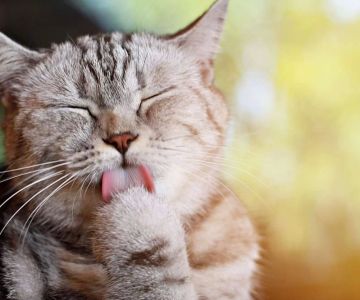
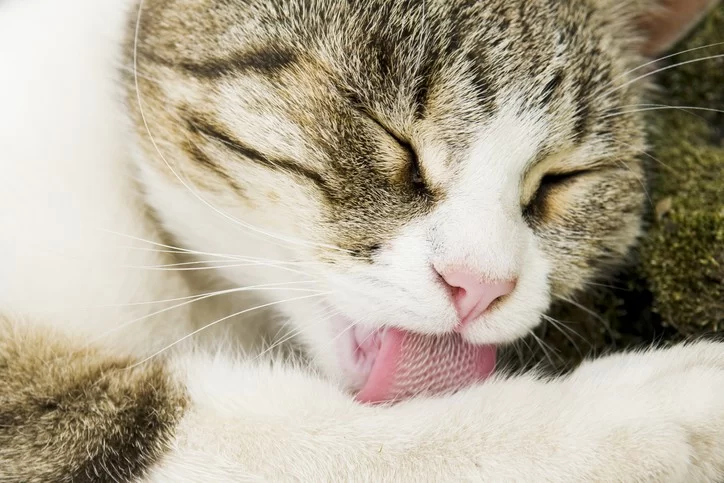
Hairballs, medically known as "trichobezoars," are clumps of fur that your cat swallows while grooming. Cats, particularly those with long or dense coats, spend a significant amount of time grooming themselves. As they lick their fur, they inevitably swallow loose hair, which can form a hairball in their stomach. Typically, this hair passes through the digestive system without causing issues. However, sometimes the fur accumulates, and the cat's body will attempt to expel it by coughing it up.
So why is my cat coughing up hairballs so frequently? The answer is multifactorial. Cats that groom excessively, or have digestive issues that prevent the hair from passing easily, are more likely to produce hairballs. Additionally, the shedding process plays a significant role in hairball formation. When Whiskers was coughing up hairballs every day, I noticed she was shedding quite a bit more than usual. This increased shedding, especially during seasonal changes, seemed to contribute to the frequency of hairballs.
1. Excessive Grooming and Shedding
One of the most common causes of frequent hairballs is excessive grooming. Cats naturally groom themselves to keep their fur clean, but some cats, especially those with long or dense coats, can spend hours each day grooming. During this time, they ingest a lot of hair. In addition to grooming habits, seasonal shedding also contributes to the problem. During the warmer months, cats shed their winter coat, and the excess hair can easily accumulate in their stomachs, leading to frequent hairballs.
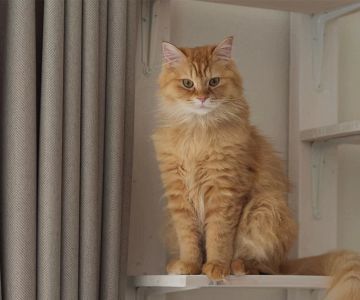
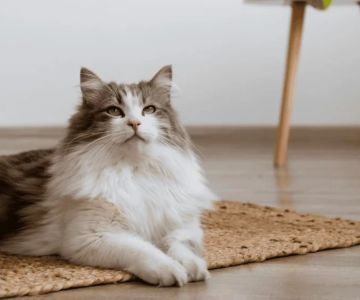
Whiskers, being a long-haired breed, was particularly prone to this. I noticed that during her shedding periods, she would cough up hairballs every other day, which became quite distressing for both of us. It was clear that managing her grooming routine would help alleviate the issue.
2. Digestive Problems
In some cases, cats with digestive issues may have trouble passing hair through their system, which leads to the formation of hairballs. Cats with slower digestive systems or those prone to constipation may experience more frequent hairball incidents. This was something I hadn’t considered until I discussed Whiskers’ issue with the vet. The vet explained that constipation could exacerbate hairball problems by preventing the hair from moving smoothly through the digestive tract. This made me more aware of how important a balanced diet and proper hydration are in managing Whiskers' health.
3. Lack of Fiber in the Diet
Fiber plays an important role in digestion. Cats that don’t get enough fiber may struggle to pass hairballs naturally. The fiber helps move the ingested hair through the digestive system, reducing the likelihood of hairballs forming in the stomach. I learned that adding a bit more fiber to Whiskers’ diet could potentially make a difference in the frequency of hairballs she was producing.
How to Help Your Cat Manage Hairballs
While hairballs are a normal part of life for many cats, there are several steps you can take to minimize the frequency and discomfort associated with them. After implementing some of these strategies, I noticed a significant decrease in Whiskers’ hairball issues, and she seemed much more comfortable.
1. Regular Grooming
Regular grooming is essential for long-haired cats, but it’s also beneficial for short-haired cats. Brushing your cat helps reduce the amount of loose hair they ingest, which ultimately reduces hairball formation. For Whiskers, I began brushing her daily, especially during shedding season, and it made a noticeable difference. Brushing also helps remove tangles and mats, preventing hair from being swallowed in larger clumps. The grooming process became a bonding activity between us, and she seemed to enjoy the extra attention.
2. Diet and Fiber-Rich Foods
One of the most effective changes I made to help Whiskers with her hairballs was adjusting her diet. I switched her to a high-quality, fiber-rich cat food that was specifically designed for hairball control. These foods are formulated to help move hair through the digestive system more easily, reducing the risk of hairballs. I also added small amounts of canned pumpkin to her meals, as it’s a natural source of fiber that aids in digestion. This combination worked wonders, and I noticed fewer incidents of hairballs after just a few weeks.
3. Hairball Remedies and Supplements
There are also several hairball remedies and supplements available that can help prevent hairballs. I gave Whiskers a hairball control gel, which she loved because it had a tasty flavor. These gels contain lubricants that help the hair move through the digestive system more easily. I also occasionally gave her treats designed to reduce hairballs, which were formulated with fiber and other beneficial ingredients. These supplements can be an effective way to support your cat’s digestion and reduce the frequency of hairballs.
4. Ensure Proper Hydration
Hydration is crucial for your cat’s digestive health. Cats that aren’t drinking enough water may experience constipation, which can worsen hairball issues. I made sure to always keep Whiskers’ water bowl clean and filled with fresh water. In addition, I switched to a water fountain, as it seemed to encourage her to drink more. Wet cat food is another good option to ensure they’re getting enough moisture in their diet.
My Experience with Whiskers’ Hairball Issues
Dealing with daily hairballs was frustrating at first, but by being proactive about Whiskers’ grooming, diet, and overall health, I was able to reduce the frequency of her hairball issues significantly. Over time, Whiskers became more comfortable, and I became more knowledgeable about how to manage her condition. The key was understanding the root causes of the problem and taking a multifaceted approach to her care.
While some cats may naturally be more prone to hairballs, the right care can make a huge difference. Whiskers is now much happier and healthier, and we’ve both found our routine for managing hairballs. It’s a reminder that sometimes, with a little extra effort and attention, you can improve your cat’s quality of life and reduce those frustrating moments of coughing up hairballs.