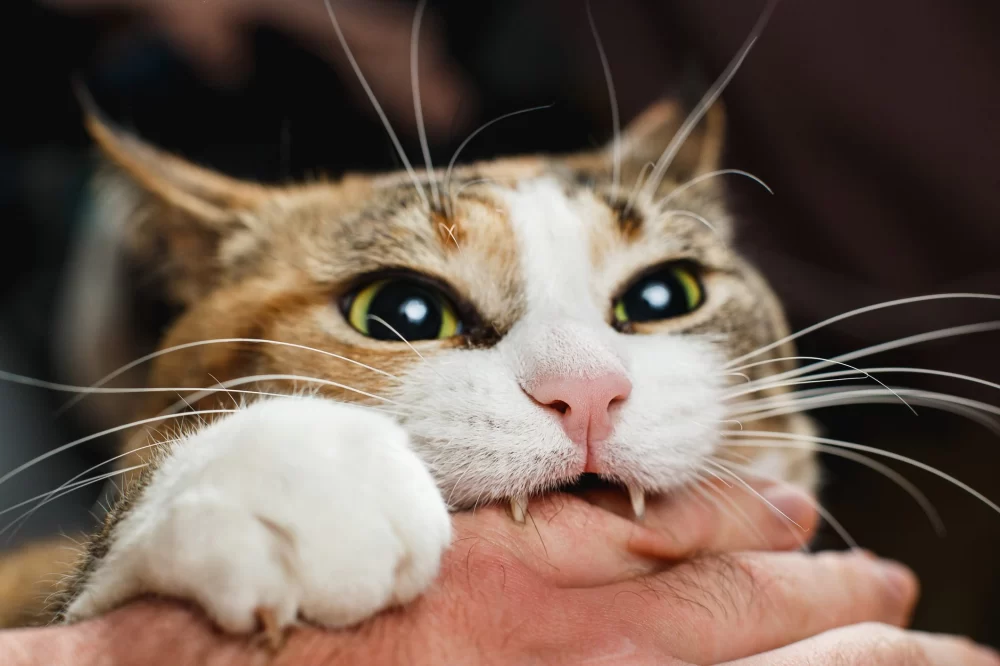
Why Does My Cat Bite at Food Dishes and Other Items?
If you're a cat owner like me, you might have noticed your feline friend suddenly chewing or biting at their food dish or other objects around the house. It’s one of those behaviors that might make you scratch your head, wondering why your cat is acting this way. Over the years, I’ve had my share of experiences with cats and their quirky habits, and I’ve learned that these biting behaviors are often more common than we think. But what causes them? Why do cats sometimes bite at their food dishes or chew on random items? Let’s explore this behavior together and uncover the potential causes and solutions.

1. Natural Instincts: Hunting and Chewing
To start, let’s consider the most basic reason: cats are natural hunters. Even though our cats may not need to hunt for their food, the instinct is still very much alive. In the wild, cats would chew on bones or food items as part of their hunting and eating process. I’ve seen this firsthand with my own cat, Whiskers. He often chews on his food dish, not because he’s hungry, but because it mimics the action of hunting. Sometimes, he’ll bite at the edge of his dish or his water bowl just after he’s finished eating, as if he’s still trying to "catch" something. This chewing behavior is simply a natural instinct for many cats.
While this behavior can be endearing, it can sometimes cause trouble if it becomes too frequent or obsessive. If you notice your cat chewing on their dishes in a repetitive manner, they may just be trying to satisfy their hunter instincts, but if it becomes excessive, you might need to look for other causes.
2. Boredom or Lack of Stimulation
Another common reason cats bite at food dishes or chew on other objects is boredom. Cats, especially those who are indoor-only, can sometimes get restless if they don’t have enough to do. This was something I noticed with my cat, Simba. When I first adopted him, he would bite at his food dish or chew on random items around the house when he was left alone for long periods. I quickly realized that Simba wasn’t getting enough mental stimulation or physical exercise. Cats need to engage in play and exploration, and without this, they often turn to chewing as a way to relieve their boredom.
To help combat this, I started introducing more interactive toys and puzzle feeders into Simba’s daily routine. These toys provided him with the mental stimulation he craved and kept him busy while I was away. Puzzle feeders, in particular, encourage your cat to work for their food, which helps reduce unnecessary chewing on food dishes.
3. Dental Health Issues
Sometimes, when a cat bites at their food dish or chews on objects, it could be a sign that they’re experiencing discomfort due to dental problems. Dental health is something that many cat owners overlook, but it’s incredibly important. Cats can suffer from gum disease, tooth decay, or even oral infections that can cause pain and discomfort. This may lead them to bite down on things, like their food dishes or even furniture, to relieve the discomfort.
My cat, Luna, had a bad experience with dental issues a couple of years ago. She started biting at her food dish and chewing on things more frequently. After taking her to the vet, I discovered she had a severe dental infection that required treatment. Once her teeth were cleaned and treated, her biting behavior stopped, and she returned to her normal eating habits.
If you suspect your cat is biting due to dental problems, be sure to schedule a visit to the vet. They can perform a dental checkup to rule out any issues and give your cat the care they need.
4. Anxiety and Stress
Stress and anxiety are also potential causes of biting behavior in cats. Cats are creatures of habit, and any disruption in their environment can trigger anxiety. For example, a move to a new house, the arrival of a new pet, or even changes in their feeding schedule can cause stress in some cats. When my cat, Bella, went through a period of stress after we moved, she started biting at her food dish and even chewing on furniture. It was clear that the change in her environment was affecting her.
To help ease your cat’s stress, try to provide a calm and stable environment. If your cat is feeling anxious, using calming products such as pheromone diffusers or sprays might help. In some cases, a vet might recommend anti-anxiety medications if the problem is more severe.
5. Pica: A Condition to Consider
In rare cases, a cat’s chewing behavior could be a sign of a condition called pica. Pica is a disorder where cats have an irresistible urge to chew on non-food items, like plastic, fabric, or even their food dishes. While this is less common, it can be concerning if your cat is chewing on non-edible items. I’ve known a few cat owners whose pets had pica, and it often required professional intervention to manage.
If your cat is constantly chewing on items that aren’t food-related, it’s a good idea to talk to your vet. They can help determine whether pica is the underlying cause and suggest strategies for managing the behavior.
6. Why Does My Cat Bite Other Items Besides Food Dishes?
While food dishes are a common target for cat biting, your cat might chew on other items around the house as well. This behavior can be related to any of the causes I’ve mentioned, such as boredom, stress, or hunting instincts. Cats might also chew on items like cords, shoes, or furniture simply because they enjoy the texture or smell. This is something I noticed with my cat, Felix. He loved chewing on the corners of my furniture, especially when he was feeling bored or anxious.
If your cat is chewing on random items around the house, it’s important to make those items less accessible and provide alternative outlets for their chewing behavior, like cat-safe toys and interactive play sessions. You might also want to consider using a deterrent spray on furniture or other items to discourage your cat from chewing.
How to Help Stop Your Cat from Biting at Food Dishes or Other Items
Now that we’ve explored the potential causes of your cat’s biting behavior, let’s talk about how you can address it. Here are a few steps that can help:
- Provide more enrichment and stimulation, such as toys, puzzles, and interactive playtime.
- Check your cat’s teeth and gums to rule out dental issues, and consider a vet checkup.
- Create a stable, stress-free environment to reduce anxiety and stress.
- Keep dangerous or tempting items out of your cat’s reach, and provide alternatives for chewing.
- Use deterrents to discourage unwanted chewing behavior.
By understanding the reasons behind your cat’s biting habits and taking the necessary steps to address them, you can help your feline friend feel more comfortable and stop the destructive chewing behaviors. If the problem persists, consulting with your vet or a feline behaviorist might be the best course of action.