
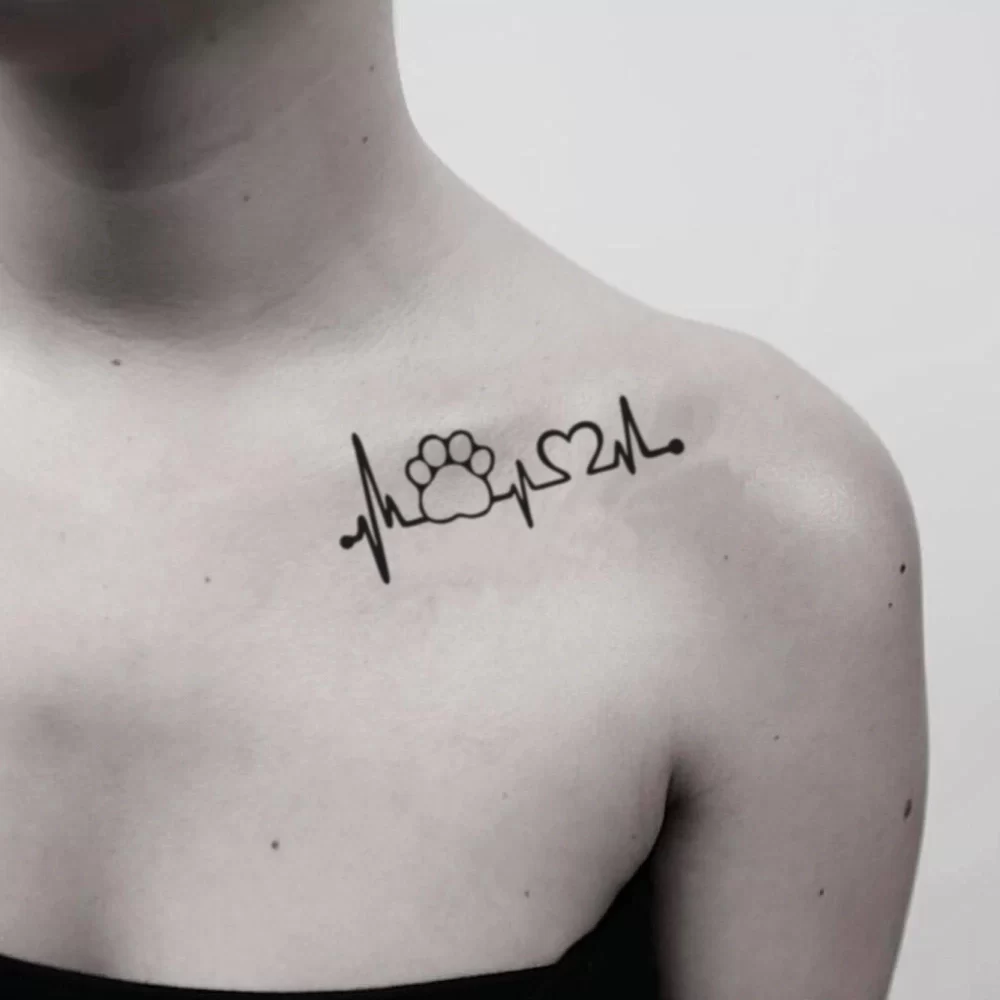
Can You Have Tattoos as a Veterinarian? Navigating Professionalism and Personal Expression
- 1-Tattoos-in-the-Veterinary-Profession
- 2-Professional-Appearance-Standards-for-Vets
- 3-Balancing-Tattoos-and-Client-Perceptions
- 4-Stories-from-Veterinarians-with-Tattoos
- 5-Tips-for-Managing-Tattoos-in-a-Vet-Career
- 6-Exploring-Products-and-Services-for-Professional-Presentation
1. Tattoos in the Veterinary Profession: Current Trends and Acceptance
The question “can you have tattoos as a veterinarian” reflects a broader discussion about personal expression in healthcare professions. While tattoos have become increasingly accepted across many fields, veterinary medicine still balances professionalism with evolving cultural norms.
Many clinics and hospitals now embrace diverse appearances, recognizing that tattoos do not diminish professional skills or compassion for animals. However, acceptance varies depending on the workplace culture and client demographics.

1.1 Historical Views Versus Modern Practices
Historically, visible tattoos were often discouraged in professional settings, but today’s younger veterinarians often showcase their body art proudly, reflecting changing attitudes.
2. Professional Appearance Standards for Veterinarians
Veterinary clinics typically have dress codes aimed at maintaining hygiene, safety, and a professional image. These standards sometimes address visible tattoos, especially in client-facing roles.
Policies vary widely—some employers require tattoos to be covered, while others have relaxed these rules. The key focus remains on maintaining client trust and comfort.
2.1 Hygiene and Safety Considerations
Beyond appearance, veterinarians must prioritize cleanliness and safety. Tattoos on hands or arms might need coverage during procedures to avoid contamination.
3. Balancing Tattoos and Client Perceptions
Client reactions to tattoos on veterinarians can differ. Some pet owners find tattoos relatable and a sign of authenticity, while others prefer a more traditional appearance. Understanding your client base helps in managing perceptions.
3.1 Communication is Key
Open, respectful communication about your professionalism and care quality helps reassure clients regardless of appearance.
4. Stories from Veterinarians with Tattoos
Dr. Lisa, a vet with several visible tattoos, shares how her professionalism and empathy have always spoken louder than her body art. She notes that some clients actually appreciate the tattoos as conversation starters, fostering trust.
Conversely, another veterinarian found it necessary to cover tattoos early in her career but gradually earned acceptance as her skills became well-known.
5. Tips for Managing Tattoos in a Veterinary Career
If you’re considering how tattoos fit into your veterinary career, consider the following:
5.1 Know Your Workplace Policies
Understand your employer’s stance on tattoos to avoid surprises.
5.2 Be Ready to Adapt
Keep bandages, sleeves, or clothing options handy to cover tattoos when needed.
5.3 Focus on Your Expertise
Your knowledge, skills, and compassion will always be your strongest professional statements.
6. Exploring Products and Services for Professional Presentation
For veterinarians who want to balance self-expression with a polished look, products like high-quality scrubs, tattoo-covering sleeves, and professional grooming tools can help maintain a confident and approachable image.
Exploring these options ensures you present yourself in the best light while embracing your individuality. For trusted recommendations on veterinary apparel and accessories, consider checking curated selections from specialized providers.








