
1. Understanding PhD in Veterinary Science
Many aspiring veterinarians and researchers wonder, can you get a PhD in veterinary science? The answer is yes. A PhD in veterinary science is an advanced academic degree focused on research, innovation, and expanding scientific knowledge in animal health and medicine.
This degree goes beyond the clinical training of a veterinary doctorate (DVM or equivalent) and dives deeply into specialized research areas such as epidemiology, pathology, pharmacology, or animal genetics. Candidates undertake original research projects contributing valuable insights to veterinary medicine.
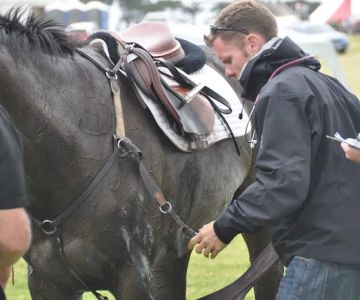
Difference Between DVM and PhD in Veterinary Science
While a Doctor of Veterinary Medicine (DVM) prepares graduates for clinical practice and direct animal care, a PhD equips scholars for careers in academia, research institutions, or industry innovation. Many professionals pursue a PhD to become leaders in veterinary research or education.
2. Pathways to Earning a PhD in Veterinary Science
To pursue a PhD in veterinary science, candidates typically need a strong background in veterinary medicine, biology, or related fields. The process involves applying to graduate programs that offer research opportunities aligned with the candidate’s interests.
The journey usually includes coursework in advanced veterinary science topics, laboratory rotations, and a dissertation based on original research. Duration ranges from three to six years depending on the program and research scope.
Choosing a Research Focus
Popular research areas include infectious diseases, animal nutrition, veterinary public health, and biomedical engineering. Selecting a topic that ignites passion and fills knowledge gaps is crucial for a rewarding PhD experience.
3. Career Opportunities with a Veterinary PhD
Holding a PhD in veterinary science opens doors to diverse career paths. Graduates can become university professors, lead research teams, work in governmental agencies on animal health policies, or join pharmaceutical companies developing new treatments.
The advanced expertise gained also supports leadership roles in animal welfare organizations and global health initiatives. The combination of scientific rigor and veterinary knowledge makes PhD holders valuable contributors to the field.
Impact on Veterinary Medicine
PhD graduates often drive innovations that improve diagnostics, therapeutics, and animal care standards worldwide, enhancing both animal and human health.
4. Real Life Stories of PhD Veterinary Science Students
Emily, a veterinary graduate, shares her experience pursuing a PhD focusing on zoonotic diseases. Her research contributed to understanding disease transmission between wildlife and livestock, helping prevent outbreaks. She emphasizes how the PhD expanded her career possibilities beyond clinical practice.
Another example is Dr. Mark, who combined his DVM and PhD to develop novel vaccines for companion animals. His dual expertise allowed him to translate research into real-world applications, making a significant impact in veterinary medicine.
Lessons from Their Journeys
These stories show the dedication and passion required but also highlight the personal and professional growth achievable through a PhD in veterinary science.
5. Choosing the Right Program and Resources
For those asking, can you get a PhD in veterinary science and where to start, selecting the right program is key. Look for universities with strong veterinary research departments and faculty whose interests align with yours.
Utilizing resources like research grants, mentorship programs, and professional networks will enhance your success. Platforms such as Fred Miller Lawyer provide guidance and connections for professionals exploring academic and career advancement.
Embarking on a PhD in veterinary science is a challenging but rewarding path. Whether your goal is research, teaching, or policy-making, advanced study deepens your impact in the veterinary world. Explore programs today and take the next step toward your academic and professional goals.








