
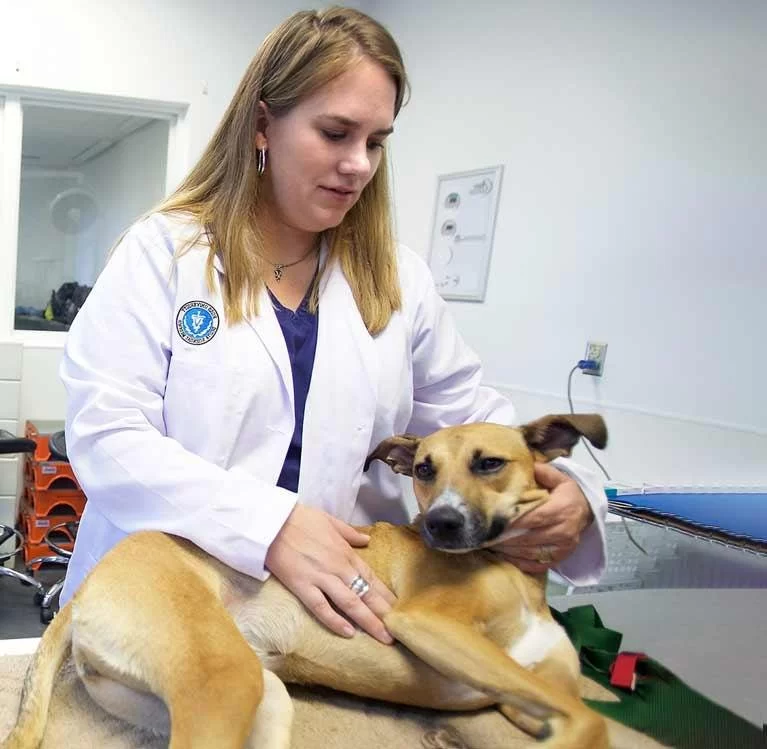
Can You Be a Traveling Veterinarian? Explore a Flexible Career Path
- what-does-a-traveling-veterinarian-do
- is-being-a-traveling-vet-a-real-career-option
- what-you-need-to-become-a-traveling-veterinarian
- real-story-dr-maya-the-nomad-vet
- pros-and-cons-of-the-mobile-vet-lifestyle
- where-to-begin-your-journey-as-a-traveling-veterinarian
1. What Does a Traveling Veterinarian Do?
A traveling veterinarian is a licensed animal doctor who offers services outside a traditional brick-and-mortar clinic. Whether working with remote farms, disaster response teams, or pet owners in rural areas, they bring veterinary care directly to those in need. If you're asking, can you be a traveling veterinarian—yes, and it’s more common than you think.

2. Is Being a Traveling Vet a Real Career Option?
2.1. Growing Demand for Mobile Vets
With more people living in rural areas or preferring at-home pet care, mobile veterinary services are booming. Many cities now have veterinarians who travel exclusively, working out of modified vans or trailers equipped with medical tools. And globally, opportunities abound for vets working with conservation teams or NGOs.

2.2. Different Forms of Traveling Vets
You might work as a relief vet covering for clinics, a freelance vet hopping across state lines, or even an international veterinary volunteer. The key is flexibility and the ability to adapt to new environments quickly.
3. What You Need to Become a Traveling Veterinarian
3.1. The Right Education and License
Just like traditional vets, you’ll need a Doctor of Veterinary Medicine (DVM) degree and a license to practice in your state or country. If you plan to work across borders, research regional licensing requirements or obtain USDA accreditation for international work.
3.2. A Reliable Setup
Many traveling vets invest in mobile units—customized vans with refrigeration, surgical space, and diagnostic tools. Others partner with shelters or use pop-up clinics in community centers.
3.3. Insurance and Legal Protection
You’ll need liability insurance and potentially business licensing, depending on your region. It’s wise to consult legal experts to help structure your mobile practice—something Fred Miller Lawyer can assist with.
4. Real Story: Dr. Maya, the Nomad Vet
Dr. Maya always dreamed of combining her love for animals and travel. After vet school, she spent a year working at a large animal hospital but felt confined. She launched her mobile vet practice in Colorado, then took it nationwide. Over five years, she’s treated dogs in Wyoming ranches, goats in Oregon, and even volunteered with elephant rescue teams in Southeast Asia.
Her story is proof that you absolutely can be a traveling veterinarian—and thrive.
5. Pros and Cons of the Mobile Vet Lifestyle
5.1. The Perks
You’ll enjoy flexibility, independence, and often lower overhead costs than traditional clinics. You'll also build deeper client relationships since many pet owners value personalized, in-home care.
5.2. The Challenges
Mobile vets face unpredictable travel conditions, scheduling logistics, and the occasional tech hiccup. Emergencies on the road can be tricky without the full support of a hospital staff.
6. Where to Begin Your Journey as a Traveling Veterinarian
Start by researching the legal and logistical steps in your area. Build a business plan that includes vehicle costs, licensing, and insurance. Consider shadowing a mobile vet or working as a relief vet to test the waters.
If you’re ready to bring care to pets—and adventure to your own life—it’s time to ask yourself not just can you be a traveling veterinarian, but why haven’t you started yet? With the right guidance and tools, this career can be both fulfilling and profitable.
Need help navigating the legal side of mobile veterinary work? Fred Miller Lawyer offers the legal clarity and contract support you need to get rolling. Turn your veterinary passion into a mobile mission—on your terms.








