
- 1-Is-On-The-Job-Training-Possible-For-Veterinarians
- 2-Education-Requirements-For-Veterinarians
- 3-Alternative-Paths-And-Supporting-Roles
- 4-Real-Stories-From-Aspiring-Veterinarians
- 5-Taking-Action-Toward-Your-Veterinary-Career
1. Is On-the-Job Training Possible for Veterinarians?
The question can I train on the job to be a veterinarian? is common among those passionate about working with animals but unsure about the traditional academic path. The straightforward answer is that becoming a licensed veterinarian requires formal education and certification, so purely on-the-job training alone is not sufficient.
Veterinary medicine demands a deep understanding of animal biology, diseases, pharmacology, and surgical skills, which can only be comprehensively learned through accredited veterinary programs. However, hands-on experience is a critical component of veterinary education, and many students gain this through internships, externships, and clinical rotations.

2. Education Requirements for Veterinarians
To legally practice as a veterinarian, one must complete a Doctor of Veterinary Medicine (DVM) degree, typically obtained after four years of veterinary school following undergraduate studies. Passing the North American Veterinary Licensing Examination (NAVLE) and fulfilling state licensing requirements are also necessary steps.
This extensive education ensures veterinarians are fully equipped to diagnose, treat, and care for animals across species safely and effectively.
2.1 Importance of Practical Experience
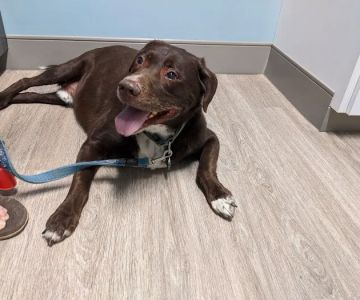
During veterinary school, students spend significant time in clinical settings, effectively blending theoretical knowledge with practical skills under expert supervision. This clinical exposure mimics on-the-job training and is essential for developing competence.
3. Alternative Paths and Supporting Roles
While you cannot become a licensed veterinarian solely through on-the-job training, there are related career paths in animal care that allow for more direct entry and experience-based learning.
3.1 Veterinary Technicians and Assistants
Positions such as veterinary technicians or assistants offer practical work experience with animals and veterinary professionals. Some veterinary technicians obtain credentials through shorter formal education combined with on-the-job training, making these roles a stepping stone toward further veterinary education.
3.2 Apprenticeships and Mentorships
Working closely with veterinarians as an apprentice or through mentorship programs provides valuable insight and practical skills. While these experiences do not replace formal education, they can strengthen your knowledge and prepare you for veterinary school.
4. Real Stories from Aspiring Veterinarians
Emily always wondered “can I train on the job to be a veterinarian?” She started as a veterinary assistant, learning daily from experienced vets and technicians. Inspired by hands-on experience and encouragement from mentors, she enrolled in a pre-vet program and then veterinary school. Her story shows how on-the-job experience complements formal education rather than replaces it.
Another example is Marcus, who took the veterinary technician route first, gaining practical skills while working. After several years, he pursued a DVM degree, citing that his early experience gave him confidence and a realistic view of the profession.
5. Taking Action Toward Your Veterinary Career
If you’re passionate about animals and wondering can I train on the job to be a veterinarian, the best approach is to combine practical experience with formal education. Begin by volunteering or working in animal clinics to gain exposure, then plan your academic path accordingly.
For resources that support your journey, including educational tools, career advice, and veterinary products, platforms like Hidden Brook Veterinary offer trusted guidance and products tailored for animal care professionals.
With dedication and the right blend of experience and education, your dream of becoming a veterinarian can become a reality. Start taking steps today to gain both hands-on knowledge and academic credentials.








