
- 1-Veterinary-Cardiology-Overview
- 2-Scope-of-Practice-for-Veterinary-Cardiologists
- 3-Treating-Small-Animals
- 4-Treating-Large-Animals
- 5-Real-Case-Studies-and-Expert-Insights
- 6-Advancing-Care-with-Specialized-Veterinary-Products
Veterinary Cardiology Overview
Veterinary cardiology is a specialized field focusing on diagnosing and treating heart diseases in animals. A common question arises: can a veterinary cardiologist practice on small and large animals? The answer depends on training, experience, and practice setting, but many cardiologists do offer care across species.
The heart functions similarly in mammals of all sizes, yet the differences in anatomy, physiology, and patient handling make cardiology for small pets versus large animals uniquely challenging.
Scope of Practice for Veterinary Cardiologists
Training and Specialization
Veterinary cardiologists complete advanced training beyond veterinary school, including residencies and board certification. Their expertise encompasses a broad range of species, but many choose to focus either on small or large animals due to the complexity involved.
Species-Specific Skills
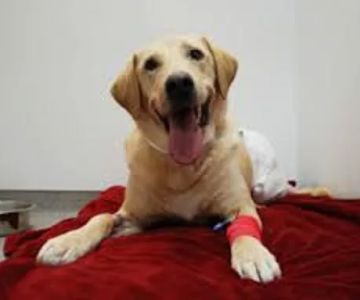
Practicing on small animals, like dogs and cats, often involves echocardiograms, ECGs, and medical management of chronic heart conditions. For large animals such as horses or cattle, cardiologists may deal with different heart disease presentations, often incorporating field work and unique diagnostic tools.
Treating Small Animals in Veterinary Cardiology
Small animal cardiology is a growing field due to the increasing demand for advanced pet care. Common conditions treated include congestive heart failure, valve disease, and arrhythmias. Veterinary cardiologists work closely with general practitioners to provide diagnostics and long-term management plans tailored to pets.
Technological advances have improved outcomes for small animals, with minimally invasive procedures and personalized medicine becoming more prevalent.
Treating Large Animals in Veterinary Cardiology
Cardiology for large animals such as horses and livestock presents unique challenges. The size and handling requirements, as well as the nature of diseases like atrial fibrillation in horses, require cardiologists to adapt their approach.
Field visits are often necessary, and cardiologists may rely on portable ultrasound machines and other mobile diagnostic tools. Treatments may differ from small animals, focusing more on management and prevention within herd health programs.
Real Case Studies and Expert Insights
Dr. Amanda, a veterinary cardiologist in Colorado, shares her experience: "I primarily treat small animals but occasionally consult on equine cases. The diversity keeps my practice interesting and rewarding."
In another case, a cattle farmer in Texas benefited from specialized cardiac care when early detection of heart murmurs helped prevent widespread illness in the herd, highlighting how cardiologists impact large animal health.
Advancing Care with Specialized Veterinary Products
Providing excellent cardiology care requires access to specialized veterinary products, including diagnostic equipment and pharmaceuticals tailored to species-specific needs. Hidden Brook Veterinary offers a curated selection of advanced cardiology tools and medications suitable for both small and large animals.
Using these products enhances treatment accuracy and patient comfort, enabling veterinary cardiologists to deliver the highest standard of care across all animal types.








