
- 1-overview-of-veterinary-assistant-responsibilities-in-washington-state
- 2-legal-regulations-for-iv-drug-administration-by-veterinary-assistants
- 3-training-and-certification-requirements-for-iv-administration
- 4-real-life-case-studies-showing-veterinary-assistant-practices
- 5-best-practices-for-veterinary-assistants-handling-iv-drugs
- 6-importance-of-supervision-and-collaboration-in-veterinary-settings
- 7-taking-the-next-step-in-veterinary-assistant-careers-in-washington
1. Overview of Veterinary Assistant Responsibilities in Washington State
Understanding the role of veterinary assistants in Washington State is crucial for anyone entering the field. Veterinary assistants support veterinarians by performing essential tasks such as handling animals, maintaining cleanliness, and assisting with basic medical procedures. However, their scope of practice is regulated to ensure patient safety and proper care standards. Clarifying what veterinary assistants are legally permitted to do helps avoid confusion, especially concerning advanced tasks like intravenous (IV) drug administration.
Washington State defines veterinary assistant duties under specific regulations, emphasizing direct supervision and limitations on medical interventions. This foundation guides what can be safely delegated to veterinary assistants versus licensed veterinary technicians or veterinarians.
2. Legal Regulations for IV Drug Administration by Veterinary Assistants
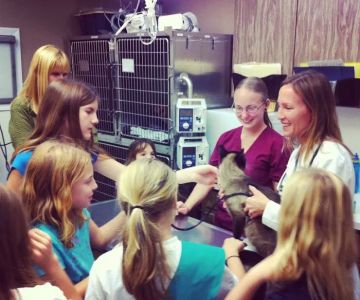
The question "can a veterinary assistant administer IV drugs in Washington State" is a common concern among veterinary professionals and trainees. According to the Washington State Veterinary Board, veterinary assistants are generally not authorized to administer intravenous medications independently. IV drug administration is classified as a skilled medical procedure that requires specific training and licensure, often reserved for licensed veterinary technicians or veterinarians.
Washington law mandates that only credentialed personnel perform IV catheter placements and drug delivery to ensure animal safety and legal compliance. However, veterinary assistants may assist under direct supervision, helping with equipment setup or monitoring during the procedure, but not performing the injection themselves.
3. Training and Certification Requirements for IV Administration
Administering IV drugs demands comprehensive knowledge of anatomy, pharmacology, and aseptic techniques. In Washington, licensed veterinary technicians complete accredited programs that include this training, preparing them to safely administer IV medications. Veterinary assistants, on the other hand, may pursue certification programs to enhance their skills but are typically not qualified for independent IV drug administration.
Ongoing education and supervised practical experience are critical for those aiming to expand their clinical capabilities. Facilities investing in staff development encourage veterinary assistants to seek further certification while respecting state regulations on scope of practice.
4. Real-Life Case Studies Showing Veterinary Assistant Practices
Consider the example of a busy veterinary clinic in Seattle, where a veterinary assistant named Sarah works under the guidance of a licensed veterinarian. While Sarah is instrumental in prepping patients and managing IV supplies, the veterinarian or licensed technician performs the actual IV drug administration. This teamwork ensures patient safety and legal adherence while maximizing clinic efficiency.
Such cases illustrate that veterinary assistants play a vital support role but must recognize their boundaries, especially regarding IV procedures. Understanding this balance fosters a safer environment for animals and a more organized workplace.
5. Best Practices for Veterinary Assistants Handling IV Drugs
Although veterinary assistants in Washington State cannot administer IV drugs independently, they can engage in best practices that support IV procedures effectively. These include preparing sterile equipment, monitoring animals during infusion, documenting observations, and communicating promptly with supervising veterinarians or technicians about any abnormalities.
Following proper hygiene protocols, understanding the signs of adverse reactions, and maintaining clear records are all part of responsible support roles. Training facilities and employers should emphasize these practices to empower veterinary assistants within their legal scope.
6. Importance of Supervision and Collaboration in Veterinary Settings
Supervision is a cornerstone of safe veterinary practice, especially when involving IV drug administration. Veterinary assistants in Washington State must work closely with licensed personnel, following protocols and receiving real-time guidance. This collaboration ensures that animal patients receive the highest level of care without overstepping regulatory limits.
Effective teamwork and clear communication also help veterinary assistants gain experience and confidence while protecting clinics from legal risks. Such professional environments foster growth and promote best outcomes for both patients and staff.
7. Taking the Next Step in Veterinary Assistant Careers in Washington
If you are a veterinary assistant or aspiring to enter the profession in Washington State, understanding the limitations and opportunities regarding IV drug administration is essential. Pursuing further education and certifications can open doors to expanded responsibilities, including becoming a licensed veterinary technician.
For those seeking reliable resources, training programs, and career guidance, investing in reputable educational tools and veterinary service providers can make a significant difference. Exploring professional development options will not only improve your skills but also enhance your career prospects.
Whether you aim to specialize in clinical support or advance toward veterinary licensure, staying informed about state regulations and best practices empowers you to deliver exceptional care safely. Embrace your role and prepare to grow professionally within Washington’s veterinary field.








