
- 1 - Understanding Whether a Medical Doctor Can Practice Veterinary Medicine
- 2 - Education and Licensing Differences Between Medical Doctors and Veterinarians
- 3 - Legal and Practical Limitations of a Medical Doctor in Veterinary Practice
- 4 - Real Stories and Expert Perspectives on Medical Doctors Venturing into Veterinary Medicine
- 5 - Conclusion and Next Steps for Medical Doctors Interested in Veterinary Careers
1. Understanding Whether a Medical Doctor Can Practice Veterinary Medicine
The question can a medical doctor do veterinary medicine often comes up among healthcare professionals curious about expanding their practice scope or switching fields. At first glance, since both roles require extensive medical knowledge and patient care skills, it might seem feasible. However, the reality is much more nuanced and governed by specific educational requirements and licensing laws.
Medical doctors (MDs) specialize in human health, while veterinarians focus on animal health. Although their foundational knowledge of anatomy, pharmacology, and physiology overlaps, veterinary medicine demands specialized training tailored to various animal species, their diseases, and treatments. So, while an MD’s background is impressive, it does not automatically qualify them to legally practice veterinary medicine.
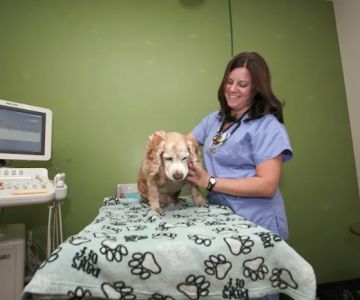
Why the Distinction Matters
The divergence between human and animal medicine is significant, reflecting not only biological differences but also different ethical standards and regulatory bodies. This ensures that animals receive care from professionals thoroughly trained in their specific needs.

5 Market Point Dr, Greenville, SC 29607, USA
See Details2. Education and Licensing Differences Between Medical Doctors and Veterinarians
The core reason why a medical doctor cannot simply transition into veterinary practice lies in the distinct educational paths and legal requirements each profession entails.
Specialized Veterinary Training
Veterinary education requires earning a Doctor of Veterinary Medicine (DVM or VMD) degree, which includes comprehensive training in animal biology, infectious diseases affecting different species, surgery on animals, and animal behavior. This curriculum is specifically designed to prepare graduates for treating a wide variety of animal patients.
Licensing and Certification
Each country—and often each state—has its own veterinary licensing boards that mandate passing rigorous exams. These certifications legally authorize a veterinarian to diagnose, treat, and perform surgeries on animals. Medical doctors are licensed by separate boards and their licenses cover human patients only.
Case Example
Consider Dr. Lisa, an MD who loved animals and attempted to provide care for her own pets beyond first aid. Without a veterinary license, she quickly realized the legal restrictions and risks of offering veterinary advice or treatment professionally. She later pursued a veterinary degree to bridge her passion with credentials.
3. Legal and Practical Limitations of a Medical Doctor in Veterinary Practice
From a legal standpoint, practicing veterinary medicine without proper credentials is prohibited and can lead to serious penalties, including fines and loss of medical license. Additionally, practical challenges arise as medical doctors typically lack training in animal-specific diagnostics, pharmacology, and surgical procedures.
Differences in Pharmacology and Treatment
For example, medications safe for humans can be harmful or fatal to animals. An MD’s familiarity with human drugs doesn't translate directly into safe veterinary prescribing practices, highlighting why specialized knowledge is critical.
Ethical Considerations
Veterinarians must navigate unique ethical issues such as animal welfare, euthanasia, and public health concerns related to zoonotic diseases. Medical doctors are not trained in these aspects, which further limits crossover without additional education.
4. Real Stories and Expert Perspectives on Medical Doctors Venturing into Veterinary Medicine
While rare, some medical doctors have successfully transitioned into veterinary medicine by committing to the necessary retraining. Dr. Mark, an MD who felt a calling toward animal health, shared his journey of enrolling in veterinary school in his mid-30s. His medical background accelerated his understanding of anatomy and disease mechanisms, but he emphasized that adapting to veterinary pharmacology and species-specific care took substantial effort.
Experts agree that the crossover is demanding but rewarding. The dual expertise of such professionals can enhance interdisciplinary research or specialized care fields like zoonotic disease management.
Industry Insight
Veterinary boards and medical associations generally maintain clear boundaries between the professions to protect patients and ensure quality care. However, collaborative efforts between MDs and veterinarians, especially in research or public health, are increasingly common and beneficial.
5. Conclusion and Next Steps for Medical Doctors Interested in Veterinary Careers
In summary, the answer to can a medical doctor do veterinary medicine is that without formal veterinary education and licensing, an MD cannot legally practice veterinary medicine. However, if you’re a medical doctor passionate about animal care, pursuing a veterinary degree is a viable path that opens rewarding career opportunities.
If you’re considering this transition or simply want to deepen your involvement with veterinary care, exploring specialized products and resources designed for veterinary professionals can be a great start. Investing in high-quality medical and veterinary reference books, diagnostic tools, or continuing education courses will support your journey.
For anyone interested in practical, reliable veterinary supplies or educational materials that bridge human and animal medicine, exploring curated collections can inspire your next step. Taking action today will put you on the path to fulfilling your passion in veterinary medicine with confidence and expertise.








