- 1 - building-a-home-first-aid-kit-with-smart-tools-for-pets-you-shouldn’t-ignore - overview #building-a-home-first-aid-kit-with-smart-tools-for-pets-you-shouldn’t-ignore
- 2 - why-a-first-aid-kit-matters - everyday-preparedness #why-a-first-aid-kit-matters
- 3 - core-essentials - traditional-supplies-you-need #core-essentials
- 4 - smart-tools-for-modern-pet-care - tech-that-makes-a-difference #smart-tools-for-modern-pet-care
- 5 - benefits-of-smart-first-aid-kits - accuracy-and-peace-of-mind #benefits-of-smart-first-aid-kits
- 6 - real-life-examples - families-who-saved-their-pets #real-life-examples
- 7 - how-to-assemble-your-own-kit - step-by-step-guide #how-to-assemble-your-own-kit
- 8 - customizing-for-age-size-and-breed - tailoring-your-kit #customizing-for-age-size-and-breed
- 9 - when-to-call-the-vet - warning-signs-you-shouldn’t-ignore #when-to-call-the-vet
- 10 - faqs - common-questions-about-pet-first-aid-kits #faqs
Building a Home First-Aid Kit with Smart Tools for Pets You Shouldn't Ignore
Every pet owner knows accidents can happen at any time—scratches at the dog park, sudden allergic reactions, or a restless night of vomiting. A well-prepared home first-aid kit, enhanced with smart tools, can make the difference between calmly handling a situation and rushing into panic mode. By blending traditional medical supplies with modern devices, families can act faster and communicate more effectively with veterinarians. For expert advice and tailored product recommendations, Hidden Brook Veterinary provides trusted guidance.

8525 Baltimore National Pike Suite E, Ellicott City, MD 21043, USA
See Details1. Why a First-Aid Kit Matters
Everyday preparedness
From bee stings to torn nails, minor injuries are part of pet life. Having supplies within reach helps reduce stress and protect your pet from complications.

Bridging the gap to veterinary care
A first-aid kit is not a substitute for professional treatment, but it stabilizes your pet until you can reach a clinic. This window can be crucial in emergencies.
2. Core Essentials: Traditional Supplies You Need
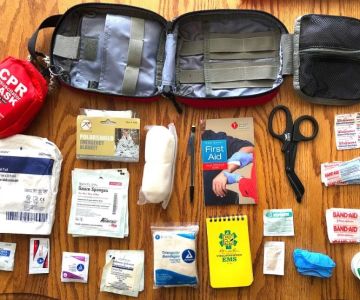
Bandages and wraps
Self-adhesive bandages, gauze pads, and cotton rolls are must-haves for wounds and sprains. Ensure materials are pet-safe and non-stick for easy removal.
Disinfectants and ointments
Include pet-safe antiseptic wipes, chlorhexidine solution, and triple-antibiotic ointment for cleaning and protecting wounds.
Basic tools
Thermometers, scissors, tweezers, and gloves give you the ability to measure, clean, and protect in a crisis.
Medications
Always consult your vet before stocking pain relievers or antihistamines. Dosages vary by species, size, and health history.
3. Smart Tools for Modern Pet Care: Tech That Makes a Difference
Digital thermometers
Pet-specific thermometers deliver faster and more accurate readings than standard human devices, helping you confirm fevers quickly.
Wearable health trackers
Collars and harnesses that monitor heart rate, breathing, and activity help identify when an injury or illness is becoming more serious.
Portable oxygen monitors
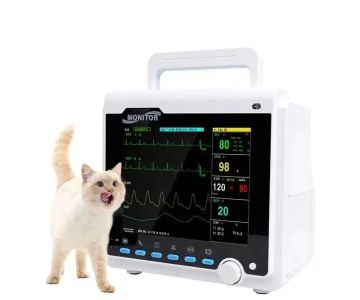
For pets with respiratory issues, compact pulse oximeters provide oxygen saturation readings that can be shared with your vet over the phone.
Smartphone integration
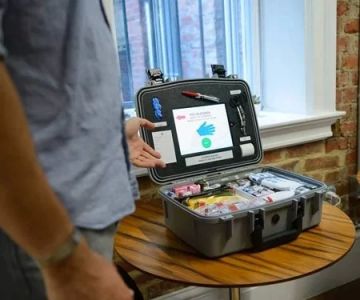
Some smart kits connect data directly to apps, making it easier to share photos, readings, or even live updates with your veterinary team.
4. Benefits of Smart First-Aid Kits: Accuracy and Peace of Mind
Confidence in emergencies
Owners often panic during medical events. Smart devices offer reliable data, giving clarity in high-stress moments.
Faster decisions
When you can show your vet real-time numbers or images, decisions about whether to rush in or monitor at home become easier.
Supporting long-term health
Beyond emergencies, smart tools help families track recovery after surgery or monitor chronic issues day by day.
5. Real-Life Examples: Families Who Saved Their Pets
The golden retriever with heatstroke
A smart thermometer and oxygen monitor helped one family recognize a crisis during a summer hike. Quick cooling and timely vet care saved their dog’s life.
The allergic terrier
When a terrier developed sudden swelling from a bee sting, wearable health data showed rising heart rate. The vet was alerted, and emergency treatment prevented escalation.
6. How to Assemble Your Own Kit: Step-by-Step Guide
Step 1: Choose a durable container
Opt for a waterproof, portable box with compartments for easy organization.
Step 2: Stock core supplies
Include bandages, disinfectants, basic tools, and vet-approved medications.
Step 3: Add smart tools
Integrate devices like digital thermometers and wearables for data-driven insights.
Step 4: Review and refresh
Check expiration dates and battery levels regularly. Update contents as your pet’s health needs change.
7. Customizing for Age, Size, and Breed: Tailoring Your Kit
Puppies and kittens
Include smaller bandages, gentle antiseptics, and growth-specific supplements as advised by your vet.
Senior pets
Prioritize mobility aids, chronic condition tools, and more frequent monitoring devices.
Breed-specific needs
Brachycephalic breeds may benefit from oxygen monitors, while large active breeds often need sturdy wraps and joint-support tools.
8. When to Call the Vet: Warning Signs You Shouldn’t Ignore
Persistent bleeding
Any wound that won’t stop bleeding within 10 minutes needs immediate veterinary care.
Respiratory distress
Labored breathing, blue gums, or collapsing requires urgent help, even if your kit stabilizes symptoms briefly.
Unexplained lethargy
If your pet becomes suddenly weak or unresponsive, treat it as an emergency and contact your veterinarian without delay.
9. FAQs: Common Questions About Pet First-Aid Kits
Do smart tools replace veterinary care?
No. They supplement it by providing better data for decisions and care continuity.
Can I use human first-aid supplies?
Some overlap exists, but pet-safe versions are essential. Human medications especially should never be used without veterinary guidance.
What’s the simplest smart tool to start with?
A digital pet thermometer. It’s affordable, easy to use, and highly valuable for detecting emergencies like heatstroke or infection.
Where should I get supplies?
For tailored recommendations and high-quality products, check with Hidden Brook Veterinary. They help families build kits that match their pet’s lifestyle and health risks.