
- 1 - Importance of Clean Veterinary Exam Rooms
- 2 - Cleaning Procedures in Veterinary Clinics
- 3 - What Happens After Each Pet Visit?
- 4 - Choosing a Clean and Safe Veterinary Clinic
- 5 - Best Products for Ensuring Veterinary Room Hygiene
1. Importance of Clean Veterinary Exam Rooms
Ensuring that veterinary exam rooms are cleaned after each visit is crucial for the health and safety of both animals and their owners. Just like human healthcare settings, veterinary clinics must maintain high standards of hygiene to prevent the spread of infections, bacteria, and other harmful pathogens. Pets, especially those with weakened immune systems, are particularly vulnerable to infections, so a clean environment is vital.
Beyond health considerations, a clean exam room also creates a comfortable and professional environment. Pet owners are more likely to trust a clinic that prioritizes cleanliness and follows proper sanitation protocols. Moreover, a hygienic clinic is essential for preventing cross-contamination between different animals, ensuring that each pet receives the best possible care.
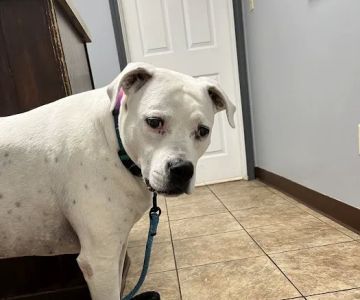
2. Cleaning Procedures in Veterinary Clinics
Veterinary clinics follow strict cleaning procedures to ensure that all exam rooms are sanitized after every visit. These procedures are essential for maintaining a safe and sterile environment. Here’s a typical cleaning routine:
- Disinfection: After each visit, the exam room surfaces, including tables, chairs, and counters, are thoroughly disinfected using veterinary-grade disinfectants. These disinfectants are specially formulated to kill bacteria, viruses, and other pathogens that may be present.
- Surface Wiping: All surfaces, including high-touch areas like door handles, light switches, and exam equipment, are wiped down with sanitizing wipes to prevent the spread of germs.
- Floor Cleaning: Floors are swept and mopped with cleaning solutions that are safe for pets but effective at removing dirt and pathogens.
- Changing Linens: Any linens, such as towels, blankets, or disposable coverings, are replaced and laundered after each use to prevent contamination.
- Air Purification: Some veterinary clinics use air purifiers to help eliminate airborne pathogens and allergens, ensuring that the environment remains fresh and clean for both pets and their owners.
3. What Happens After Each Pet Visit?
After each pet visit, the cleaning protocol is immediately followed to prepare the exam room for the next patient. Depending on the severity of the visit, some rooms may require more intensive cleaning. For example, if an animal has been ill, more stringent disinfection measures are taken to ensure the room is completely sanitized. This ensures that any germs or bacteria are effectively removed, protecting the next pet from exposure to potentially harmful pathogens.
In addition to the physical cleaning, the veterinary clinic staff also maintains records of each cleaning session. This documentation ensures that every visit follows the appropriate sanitation protocols, which is vital for both safety and legal compliance. Regular inspections may also be conducted to ensure that the clinic maintains a high standard of hygiene across all areas.

4. Choosing a Clean and Safe Veterinary Clinic
As a pet owner, choosing a veterinary clinic that prioritizes cleanliness and hygiene is essential. A clinic that follows strict cleaning protocols ensures that your pet is treated in a safe, sanitized environment. When choosing a vet clinic, consider the following:
- Look for Cleanliness: Upon entering the clinic, observe the cleanliness of the reception area, exam rooms, and waiting areas. A reputable clinic will ensure that all areas are clean and well-maintained.
- Ask About Their Cleaning Practices: Don’t hesitate to ask the clinic about their cleaning practices. Reputable clinics are happy to share their protocols for maintaining hygiene after each visit.
- Check Reviews and Recommendations: Online reviews and word-of-mouth recommendations can provide insights into the clinic's reputation for cleanliness and professionalism.
5. Best Products for Ensuring Veterinary Room Hygiene
For veterinary clinics looking to maintain high standards of cleanliness, using the right products is crucial. Here are some of the best products that help ensure hygiene in veterinary exam rooms:
- Vet-Grade Disinfectants: Products like Virkon S and Trifectant are highly effective at killing a broad range of pathogens, including viruses, bacteria, and fungi.
- Hospital-Grade Surface Wipes: Disinfecting wipes, such as Sani-Cloth, are essential for quickly cleaning surfaces and high-touch areas in the exam room.
- Pet-Safe Floor Cleaners: Products like Rescue One-Step Disinfectant ensure that floors are not only clean but also safe for pets, as they are non-toxic and effective against viruses and bacteria.
- Air Purifiers: Air purifiers such as the Honeywell HPA300 can help reduce airborne particles and allergens, creating a cleaner environment for both pets and people.
In conclusion, ensuring that veterinary exam rooms are cleaned after each visit is a fundamental practice that contributes to the health and safety of pets and owners alike. Veterinary clinics must follow strict cleaning procedures to prevent cross-contamination and infection. As a pet owner, choosing a clean and safe clinic is essential for your pet’s well-being. For more information about maintaining cleanliness and hygiene in veterinary clinics, or to explore high-quality cleaning products, visit Fred Miller Lawyer for expert guidance on keeping your clinic safe and sterile.








