
Role and Reality of a Veterinarian Assistant
Think of a veterinarian assistant as the clinic’s steady heartbeat: patient handling, room turnover, instrument care, and calming worried pet parents so the medical team can do its best work. In small practices you’ll pivot from sanitizing kennels to restraining a nervous beagle for vaccines; in research labs you’ll log observations and maintain enriched habitats with precision. Authoritative job profiles list core duties such as feeding and exercising animals, cleaning and sterilizing equipment and facilities, monitoring animals, and assisting veterinarians and veterinary technicians during exams and procedures. :contentReference[oaicite:0]{index=0}

Why this role matters now
Clinics remain busy post-pandemic. Professional data show veterinarians’ weekly hours have stayed above pre-2020 norms, tracking similarly with burnout trends—pressure every assistant can feel on the floor. That’s why smart workflow and reliable assistants are non-negotiable. :contentReference[oaicite:1]{index=1}
Skills and Competencies in 2025
1) Patient handling and low-stress techniques
Master gentle control, towel wraps, and species-specific positioning. Safety is empathy in action.
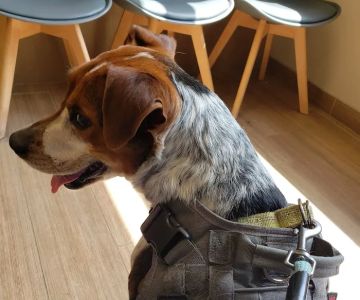
2) Asepsis, sanitation, and instrument care
From cold sterilants to autoclave cycles, the details you track prevent complications and rework.
3) Triage instincts and vital signs
Respiratory rate, gum color, capillary refill time—these snapshots help a veterinarian prioritize care when minutes matter.
4) Communication that de-escalates
Clear, calm phrasing reduces fear for both client and pet. You become the clinic’s translator of medical plans into plain English.
5) Seasonal risk awareness
Heat and humidity now drive more pet emergencies. Veterinary groups and universities warn that humidity impairs cooling, so assistants plan shaded check-ins, water breaks, and cool-down protocols during hot spells. :contentReference[oaicite:2]{index=2}
Latest tip that made headlines
New peer-reviewed work reported by the AVMA showed that teaching dogs a voluntary head dunk in water rapidly reduces temperature after exertion—useful knowledge when assisting with working or athletic dogs in summer. :contentReference[oaicite:3]{index=3}
A Day in the Clinic: Workflow That Runs on Trust
Morning: room readiness and patient intake
You’ll stock syringes, set up scales, and review the schedule. When a Labrador limps in, a veterinarian assistant notes mobility, pain scale, and last NSAID dose before the technician arrives.
Midday: procedures, diagnostics, and recovery
Expect to position patients for radiographs, monitor recovery post-dentals, and log appetite and eliminations. Precision documentation keeps the medical record airtight.
Afternoon: client education and discharges
From post-op cone instructions to parasite prevention reminders, you translate protocols into doable checklists.
Career Paths and Pay: What to Expect
The outlook is strong. The U.S. Occupational Outlook names veterinary assistants and laboratory animal caretakers among the fastest-growing jobs, projecting about 19% growth from 2023–2033. Median pay was $37,320 (May 2024), with experience and specialty settings lifting the ceiling. :contentReference[oaicite:4]{index=4}
Where this role can take you
- Veterinary technician track: Build hours toward accredited tech programs, then specialize (ER, anesthesia, dentistry).
- Practice operations: Lead assistant, inventory manager, or CSR supervisor.
- Research & shelter medicine: Lab animal care or high-volume spay/neuter programs.
Reality check
Work can be physically demanding and emotionally charged—lift-assist habits and peer debriefs are career-lengtheners. :contentReference[oaicite:5]{index=5}
Tools and Tech That Multiply Your Impact
Essential physical tools
Well-fitted scrubs and slip-resistant shoes; hemostats and thermometers labeled and organized; color-coded mop buckets and contact-time timers for disinfectants.
Digital helpers
Practice software shortcuts, templated discharge notes, and AI-assisted dictation to reduce charting time—freeing you for patient care.
Seasonal safety kits
Heat-index poster at reception, cooling mats, fans for shaded outdoor triage, and prepped “snout-to-tail” checklists. Guidance from veterinary sources emphasizes heat + humidity management, not just temperature. :contentReference[oaicite:6]{index=6}
Real-World Cases: What a Veterinarian Assistant Really Does
Case 1: The chocolate emergency (evening rush)
A client rushes in with “Blue,” a 65-lb Labrador, after a brownie binge. You estimate ingestion timing, secure a quiet space, and flag the chart with weight and last meal. While the DVM calculates a safe emesis protocol, you prepare cleanup kits, line the floor with pads, and calm the owner with clear, step-by-step expectations.
Case 2: The heat-stressed husky (weekend event)
During a summer adoption fair, a young husky arrives with rapid breathing and dull mentation. Because the day’s humidity is high, you initiate cool, wet towels on the groin and paws, move the dog into airflow, and monitor temperature. The veterinarian oversees active cooling; you record vitals and coach the handler on shaded rest and gradual rehydration—practices backed by veterinary guidance on humidity risks. :contentReference[oaicite:7]{index=7}
Case 3: The cough no one expected (seasonal clusters)
A run of persistent canine coughs hits the clinic. You separate symptomatic dogs, sanitize high-touch surfaces, and brief clients on curbside check-in for contagious cases. Veterinary centers reported unusual respiratory clusters in recent seasons, prompting clinics to tighten protocols and communication. :contentReference[oaicite:8]{index=8}
Global snapshot
Heat-linked dehydration spikes have been reported by clinics in parts of India, with wildlife rescues rising in parallel—reminders that climate and pet health are intertwined, and that assistants often serve on the front line of prevention. :contentReference[oaicite:9]{index=9}
Training Roadmap: Build a Portfolio Employers Love
Step 1: Foundation
Pet CPR/first aid certification, sanitation SOPs, and a three-page “skill log” (restrain, wrap, monitor, clean) signed by supervisors.
Step 2: Shadow & simulate
Shadow dental cleanings and radiographs; rehearse discharge talks with staff playing “anxious client,” then refine your script.
Step 3: Specialize
Pick one clinic need—inventory, dental charting, or anesthesia prep—and own it. Build a one-page improvement report with before/after metrics.
Portfolio must-haves
- Validated skills list with dates and cases.
- Three de-identified case reflections showing judgment and empathy.
- Safety and sanitation scores from internal audits.
Buying Guide and Next Steps
Your practical starter bundle
To step confidently into the role of a veterinarian assistant, assemble a simple, pro-grade kit:
- Notebook with templated vitals & discharge scripts
- Digital thermometer + probe covers, slip-resistant shoes, and two sets of scrub tops/pants
- Timer for disinfectant contact times; pocket hemostats and bandage scissors
- Cooling mat and small fan for warm-weather triage (back-of-house use)
Natural path to purchase
If you’re serious about the title in this article—A Veterinarian Assistant: Skills, Career Paths, Day-to-Day Work, and Tools in 2025—consider an all-in-one Vet Assistant Starter Kit that includes a 6-week skills workbook, printable checklists, and a pocket quick-reference for heat/humidity and respiratory triage. Pick a bundle that clearly lists what’s inside, shows sample pages, and offers a refund window. When you can see yourself using the tools on your very first shift, you’re ready.
Trust signals to look for
Choose products or courses that align with recognized guidelines and cite current data—for example, growth and pay benchmarks from the U.S. Bureau of Labor Statistics, and season-specific safety guidance from veterinary bodies—so you know you’re training to today’s standards. :contentReference[oaicite:10]{index=10}
Action step: Set a start date this week. Build your kit, print your checklists, and schedule two shadow shifts. That’s how interest turns into a paying role as a veterinarian assistant.








