
- 1-Morning-Preparations-And-Clinic-Setup
- 2-Patient-Care-And-Assisting-Veterinarians
- 3-Handling-Emergencies-And-Unexpected-Situations
- 4-Administrative-Duties-And-Communication
- 5-Personal-Stories-From-Veterinary-Nurses
- 6-Why-Choosing-Veterinary-Nursing-Is-A-Rewarding-Career
1. Morning Preparations and Clinic Setup
A day in the life of a veterinary nurse often begins early, preparing the clinic for a busy day ahead. This includes sterilizing surgical instruments, setting up treatment rooms, and checking supplies to ensure everything is in place. Attention to detail is vital to maintain hygiene and safety standards.
The morning also involves reviewing the day’s appointments and surgeries, enabling the veterinary nurse to organize their workflow efficiently.

1.1 Team Briefings and Coordination
Before patients arrive, veterinary nurses often participate in team meetings with veterinarians and other staff. These briefings help clarify priorities, discuss critical cases, and foster smooth communication, which is essential for quality care.
2. Patient Care and Assisting Veterinarians
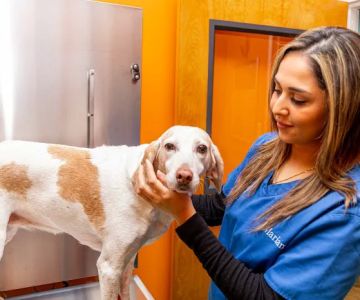
Central to a veterinary nurse’s day is hands-on patient care. This ranges from monitoring vital signs, administering medications, and assisting in surgeries, to comforting anxious pets. Veterinary nurses act as the bridge between animals and veterinarians, ensuring treatments are executed precisely and compassionately.
They also educate pet owners on post-treatment care, nutrition, and preventive health, making them crucial in promoting animal well-being beyond the clinic walls.
2.1 Specialized Skills in Veterinary Nursing
Depending on the clinic, veterinary nurses might specialize in anesthesia, dental care, or emergency medicine. Their skills directly impact patient outcomes, highlighting the importance of continuous learning and training.
3. Handling Emergencies and Unexpected Situations
No two days are the same for a veterinary nurse. Emergencies like trauma cases or sudden illnesses require quick thinking, calmness, and coordinated action. Nurses often provide life-saving support while keeping pet owners informed and reassured.
This dynamic aspect makes the job both challenging and deeply fulfilling, demanding resilience and adaptability.
4. Administrative Duties and Communication
Beyond clinical tasks, veterinary nurses manage appointments, maintain patient records, and coordinate with pharmacies and labs. Strong organizational skills ensure the clinic runs smoothly.
Excellent communication, both with colleagues and pet owners, enhances trust and improves the overall care experience.
5. Personal Stories from Veterinary Nurses
Emily, a veterinary nurse with five years of experience, recalls a particularly moving day when she helped nurse a severely injured dog back to health. “Seeing that dog recover and return to its family made every long shift worthwhile,” she shares. Stories like Emily’s reveal the profound emotional rewards of the profession.
Veterinary nurses often form lasting bonds with their patients and clients, enriching their career satisfaction.
6. Why Choosing Veterinary Nursing Is a Rewarding Career
A day in the life of a veterinary nurse is demanding but offers unique rewards through meaningful animal care and client interaction. The profession suits those passionate about animals and eager to work in a fast-paced, varied environment.
For those inspired by this career path, investing in quality education and professional tools is essential. Finding reliable suppliers and expert resources can enhance your skills and patient care. Explore trusted platforms to equip yourself for a successful journey in veterinary nursing.








