
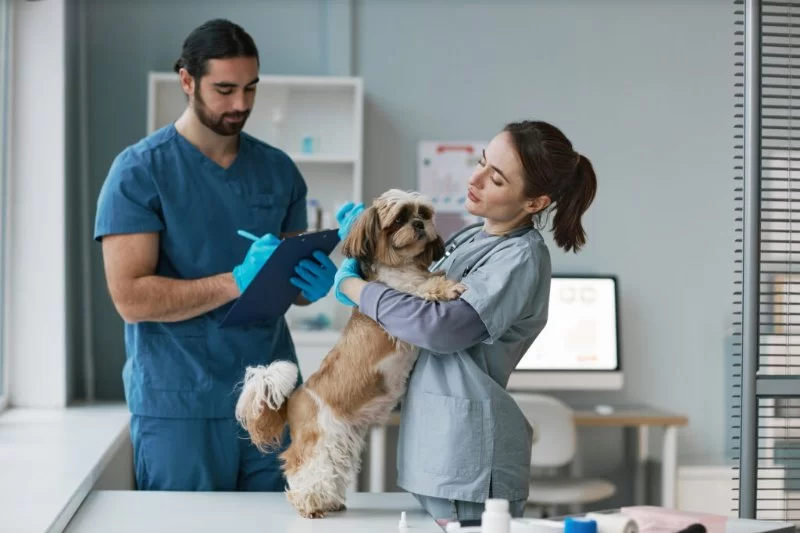
A Day in the Life of a Veterinary Assistant: Real Stories and Responsibilities
- early-morning-prep-and-patient-intake - Starting the Day: Prep Work and Patient Intake
- midday-surgeries-and-hands-on-procedures - Midday: Assisting in Surgeries and Hands-On Procedures
- client-communication-and-animal-comfort - Communicating with Clients and Keeping Animals Comfortable
- unexpected-challenges-and-real-time-decisions - Facing the Unexpected: Emergencies and Critical Thinking
- real-case-lucas-first-week-in-vet-clinic - Real Case: Lucas's First Week as a Veterinary Assistant
- tools-and-products-that-make-the-day-easier - Tools That Make a Veterinary Assistant’s Day More Efficient
- how-to-step-into-this-career-with-confidence - How to Prepare for a Career as a Veterinary Assistant
1. Starting the Day: Prep Work and Patient Intake
For a veterinary assistant, no two mornings look exactly the same. But one thing is constant—organization. A typical day in the life of a veterinary assistant begins before the clinic opens, with setting up exam rooms, sterilizing tools, checking supply levels, and reviewing the appointment schedule. These tasks may seem mundane, but they’re the backbone of a smooth clinical operation.
Once the first patients arrive, the assistant jumps into action: weighing pets, checking temperature, and gathering preliminary health info. It's fast-paced, but this early contact often makes nervous animals feel more at ease before seeing the vet.

2. Midday: Assisting in Surgeries and Hands-On Procedures
By late morning, the veterinary assistant might transition into more intensive duties—preparing animals for surgery, monitoring vital signs during procedures, or supporting the vet during dental cleanings or wound care. This part of the day requires total focus, sterile technique, and calm energy.
In a recent interview, one assistant explained, “I helped hold a 70-pound Labrador steady for x-rays and then pivoted to prep a cat for a spay surgery—all within an hour.” The versatility required in these moments is why vet assistants are truly the unsung heroes of animal healthcare.

3. Communicating with Clients and Keeping Animals Comfortable
Veterinary assistants are often the first and last people pet parents talk to during a visit. From explaining aftercare instructions to checking up on how a dog recovered post-vaccine, communication is key. Assistants also provide much-needed emotional support for both animals and humans—whether it’s cuddling an anxious puppy or reassuring a nervous first-time cat owner.
Emotional intelligence is as vital as medical knowledge in this profession. One assistant shared how simply kneeling down to let a scared rescue dog sniff her hands turned a chaotic intake into a calm exam.
4. Facing the Unexpected: Emergencies and Critical Thinking
A day in the life of a veterinary assistant is never predictable. Emergency walk-ins can turn a regular afternoon upside down. Whether it's a dog hit by a car or a sudden allergic reaction, veterinary assistants often act as the vet’s right hand, grabbing tools, maintaining composure, and helping to stabilize the patient.
It’s in these high-pressure moments that a vet assistant’s training and instincts matter most. Being able to think on your feet, stay calm under stress, and provide comfort is what separates a good assistant from a great one.
5. Real Case: Lucas's First Week as a Veterinary Assistant
Lucas, a 23-year-old new graduate from a vet assistant program, started his first job in a bustling urban animal hospital. “I was excited, but nothing prepared me for the emotional highs and lows,” he recalled. On Day 2, he assisted in a life-saving surgery on a choking bulldog. By Friday, he held a senior cat in his arms while it was humanely euthanized.
“The week was a rollercoaster,” Lucas said. “But by the end, I knew this was the right path for me.” His story reflects the true nature of this role—challenging, fulfilling, and deeply meaningful.
6. Tools That Make a Veterinary Assistant’s Day More Efficient
From medical clippers and exam gloves to digital thermometers and portable scales, veterinary assistants rely on reliable tools. Efficiency isn’t just about speed—it’s about minimizing stress for the animal. Assistants often recommend high-quality restraint harnesses, calming sprays, and precise dosing syringes that allow them to do their jobs effectively.
Whether you're building a clinic or shopping for vet assistant essentials, investing in the right products can streamline operations. At Hidden Brook Veterinary, we offer carefully curated tools designed for daily clinical use. Trusted by professionals, loved by pets.
7. How to Prepare for a Career as a Veterinary Assistant
If this glimpse into a day in the life of a veterinary assistant sparked your interest, you’re not alone. It’s a career growing in demand, especially among those who love animals and seek hands-on healthcare experience. Most vet assistants begin with a certification program, followed by on-the-job training and mentorship.
To thrive in this field, you'll need stamina, compassion, communication skills—and the right gear. Explore professional-grade veterinary assistant tools and start building your toolkit with Hidden Brook Veterinary. Because when every second matters, quality matters more.
So, whether you're just curious or ready to start your journey, remember: a day in the life of a veterinary assistant isn’t just about pets—it’s about purpose. Ready to take the next step?








