
A Day as a Veterinarian: What to Expect in the Life of a Vet
- 1. Early Morning Arrival at the Clinic
- 2. Meeting the Patients: Examining Pets and Animals
- 3. Handling Emergency Cases
- 4. Interacting with Pet Owners and Providing Care Advice
- 5. Paperwork and Administrative Responsibilities
- 6. Personal Experience: A Real-Life Veterinarian Story
1. Early Morning Arrival at the Clinic
The day of a veterinarian often begins early, typically before the sun rises. For many vets, the first task of the day is reviewing patient records from the previous day and checking the schedule for appointments. They may also use this time to prepare for any surgeries or procedures that are planned. Early mornings are especially important for ensuring that everything is in order before clients begin arriving. While the clinic may open at a specific time, veterinarians often spend their first few hours handling administrative tasks or preparing medical supplies.
The early morning is a quieter time, offering the chance to take a moment to plan and organize the day ahead. This is crucial because the workload of a veterinarian can be highly unpredictable, with patients arriving in various conditions that require immediate attention. A well-organized morning sets the tone for the day, allowing the vet to manage their time more efficiently and provide the best care possible.

2. Meeting the Patients: Examining Pets and Animals
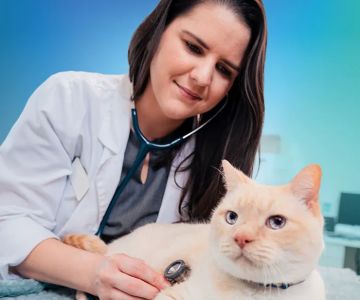
After the morning preparations, veterinarians typically begin seeing their patients. Depending on the clinic’s schedule, the patients could be anything from cats and dogs to birds, exotic pets, or farm animals. Each visit starts with a thorough examination to assess the health of the animal. The vet will often ask the pet owner about the animal’s symptoms, behavior, and history to gather important background information.
The examination process varies depending on the species and the condition of the animal. For example, examining a dog might involve checking its heart rate, listening to its lungs, inspecting its teeth, and performing blood work or X-rays if necessary. Veterinarians need to be adaptable and ready for anything, as every day brings different challenges and unexpected situations.
Veterinarians need not only medical expertise but also strong communication skills to explain diagnoses to pet owners. During these appointments, they offer clear explanations, discuss treatment options, and help pet owners understand the steps involved in caring for their animals. These moments are crucial in building trust with clients and ensuring they are comfortable with the medical plan being suggested.
3. Handling Emergency Cases
Veterinarians often deal with emergency cases, which can arise at any time of the day. These cases may include animals suffering from accidents, severe illnesses, or sudden changes in health that require immediate attention. For example, an animal hit by a car or a pet with severe poisoning might need urgent care. Emergency situations can be incredibly stressful for both the animal and the veterinarian, requiring quick thinking and efficient medical action.
In these high-pressure moments, veterinarians rely on their training and experience to make split-second decisions. The work environment can become hectic during emergencies, but the ability to remain calm and focused is essential for providing the best care. Veterinarians may have to make fast decisions about treatment, administer medications, or perform emergency surgery, all while keeping the pet owner informed and reassured.
4. Interacting with Pet Owners and Providing Care Advice
One of the most important aspects of being a veterinarian is building relationships with pet owners. Providing clear, compassionate communication is key to making sure pet owners understand their animal’s condition and the treatment options available. This can involve discussing a diagnosis in detail, explaining the reasons behind treatment choices, and offering post-care instructions for recovery.
Additionally, veterinarians must often give lifestyle or dietary recommendations to help manage a pet’s condition. For example, they may advise on weight management for obese pets, suggest a new diet for a dog with allergies, or recommend a specialized exercise plan for an elderly cat. Offering these recommendations not only supports the health of the animals but also strengthens the trust and rapport with pet owners.
Veterinarians also handle difficult conversations, such as when an animal has a terminal illness or requires euthanasia. These are emotional moments, and the ability to provide empathetic care is an essential skill for any veterinarian. Compassionate communication ensures that pet owners feel supported in making difficult decisions during these challenging times.
5. Paperwork and Administrative Responsibilities
Aside from patient care, a veterinarian’s day also involves significant amounts of paperwork and administrative duties. This includes updating patient records, managing prescriptions, filing insurance claims, and responding to client emails or phone calls. Many veterinarians work alongside a support team that handles front-office tasks, but they still need to review and sign off on medical records, bills, and insurance forms. The administrative work can take up a substantial portion of the day, especially for veterinarians who own or run their own clinics.
Managing a veterinary practice involves balancing patient care with financial and operational responsibilities. Ensuring that appointments are booked, staff schedules are coordinated, and all equipment is in good working order requires strong organizational skills. This behind-the-scenes work is crucial for the smooth operation of the clinic and contributes to providing a high standard of care to the animals.
6. Personal Experience: A Real-Life Veterinarian Story
Dr. Karen, a veterinarian with over 10 years of experience, shares her day-to-day routine at her animal clinic. She starts her day at 7 a.m. with a quick review of the schedule and prepares for any surgeries or emergency cases that may arise. “A day as a veterinarian is never the same,” she says. “Some days, I’m performing routine check-ups on healthy animals, while others, I’m in the middle of a complex surgery or managing an emergency situation.”
One of her most memorable cases involved a dog with severe heart disease. The owner had brought the dog in after it had become lethargic and refused to eat. After conducting several tests, Dr. Karen diagnosed the dog with heart failure. She quickly developed a treatment plan, which included medications and lifestyle changes to improve the dog’s quality of life. “It’s always rewarding when you can help an animal feel better, but it’s even more rewarding when the owners trust you to guide them through difficult decisions,” Dr. Karen recalls.
Through her experience, Dr. Karen emphasizes the importance of not only being a skilled medical professional but also a compassionate communicator. “A big part of being a veterinarian is understanding the emotional aspect of pet care. You’re not just treating an animal; you’re helping families navigate their fears and hopes for their pets,” she concludes.








